15 Best Hikes in Sedona for Incredible Red Rock Views
Sedona is one of those places where choosing a hike can be harder than actually hiking it.
There are trails leading beneath giant sandstone walls, short walks with surprisingly big views, steep climbs for adventurous hikers, and peaceful routes where you can slow down and enjoy the desert.
And you definitely don’t need to tackle the hardest trail in town to experience the best of it.
This guide covers 15 of the best hikes in Sedona, with options for beginners, families, sunrise hikers, and anyone simply looking for those incredible red-rock views.
Sedona Hikes at a Glance
Not sure where to start? Here’s the quick version.
| If You’re Looking For… | Try This Hike |
|---|---|
| Best overall Sedona experience | West Fork Trail |
| Iconic red-rock scenery | Cathedral Rock |
| Famous natural landmark | Devil’s Bridge |
| Easy hike with great views | Yavapai Vista Trail |
| Beginner-friendly hike | Fay Canyon |
| Sunrise hike | Doe Mountain |
| Vortex experience | Bell Rock |
| Family-friendly trail | Fay Canyon |
| Canyon scenery | West Fork Trail |
| Quieter red-rock experience | Mescal Trail |
| Short hike with a big payoff | Doe Mountain |
| Unique geological features | Soldier Pass |
| Creekside scenery | West Fork Trail |
| Moderate adventure | Bear Mountain area trails |
| Classic Sedona landscape | Courthouse Butte Loop |
Note: Trail access, parking rules, shuttle service, fees, and closures around Sedona can change. Always check current official information before heading out.
1. West Fork Trail — Best Overall for a Different Side of Sedona
When people picture hiking in Sedona, they usually imagine dusty paths surrounded by enormous red rocks.
West Fork feels different almost immediately.
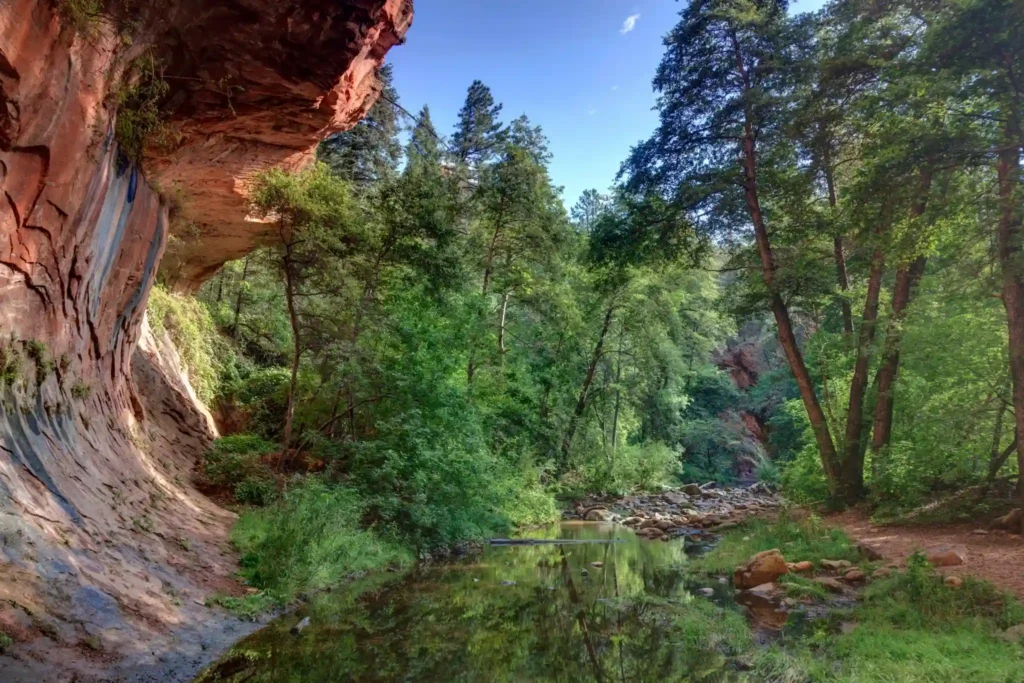
The trail follows a canyon through the Oak Creek area, where trees, creek crossings, towering canyon walls, and pockets of shade create a completely different atmosphere from Sedona’s more exposed desert hikes.
That’s exactly why I’d include it on a first trip.
After a couple of days surrounded by open sandstone landscapes, walking beside the creek feels surprisingly refreshing.
What Makes West Fork Special?
The scenery keeps changing as you move deeper into the canyon.
One minute you’re beneath trees. A little later you’re crossing the creek. Then the canyon walls seem to close in around you.
You don’t have to complete every possible mile to enjoy it, either.
If you’re tired or short on time, simply hike until you’ve had enough and turn around.
That makes West Fork easier to fit into different itineraries than trails where the viewpoint only appears at the very end.
Who Is This Hike Best For?
Choose West Fork if you want:
- A break from exposed desert trails
- Creek and canyon scenery
- A longer but flexible outing
- Shade during parts of your hike
- Beautiful fall scenery
It’s also one of the Sedona fall hiking trails I’d put near the top of the list because the vegetation adds another layer of color to the canyon.
Best for: Canyon scenery and fall hiking
Difficulty: Moderate for most casual hikers, depending on how far you go
Allow: A few hours if you want to explore without rushing
2. Doe Mountain Trail. Big Views Without an All-Day Hike
Doe Mountain is the kind of trail I love recommending to someone who says:
“I want an amazing Sedona view, but I don’t want to spend my entire day getting there.”
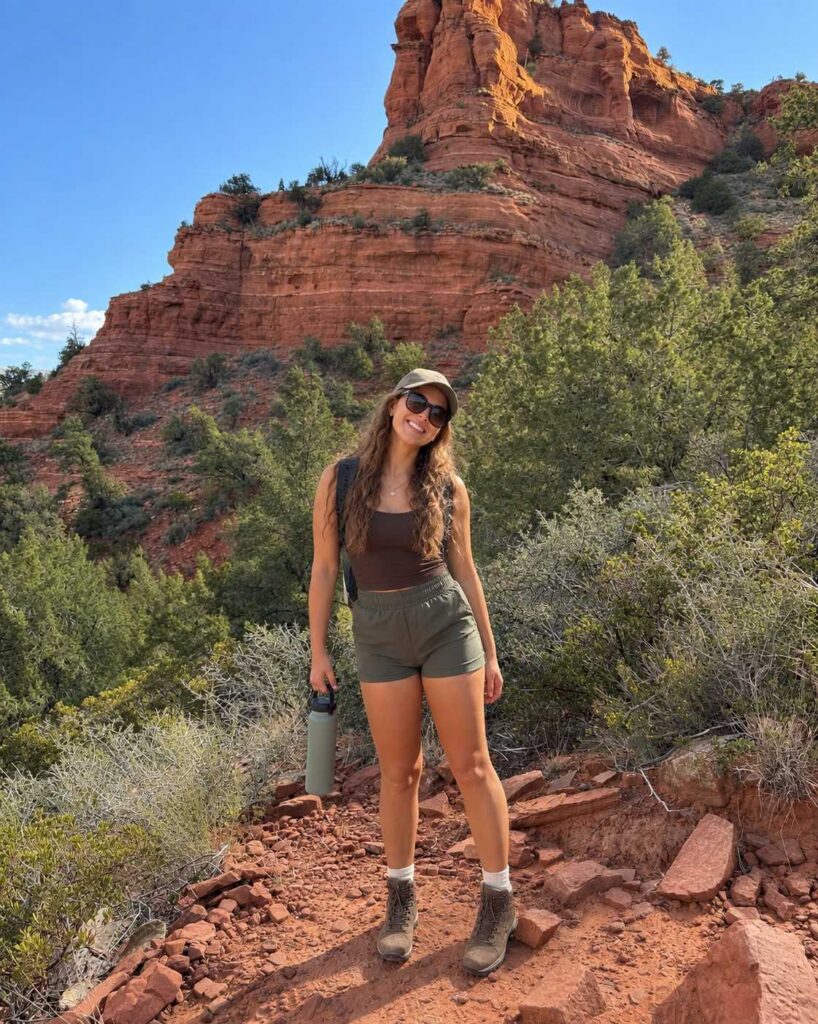
The trail climbs toward the top of a broad mesa rather than leading to one narrow viewpoint.
Once you’re up there, you can walk around and look across the surrounding red-rock country from different angles.
The climb does require effort, but the relatively compact experience makes it feel rewarding without taking over your whole day.
Why Hike Doe Mountain?
The payoff-to-effort ratio is excellent.
Instead of spending hours walking toward a distant landmark, you gain elevation fairly quickly and get broad views across the landscape.
It’s especially nice when you want to pair a morning hike with another Sedona activity later in the day.
Try Doe Mountain Around Sunrise
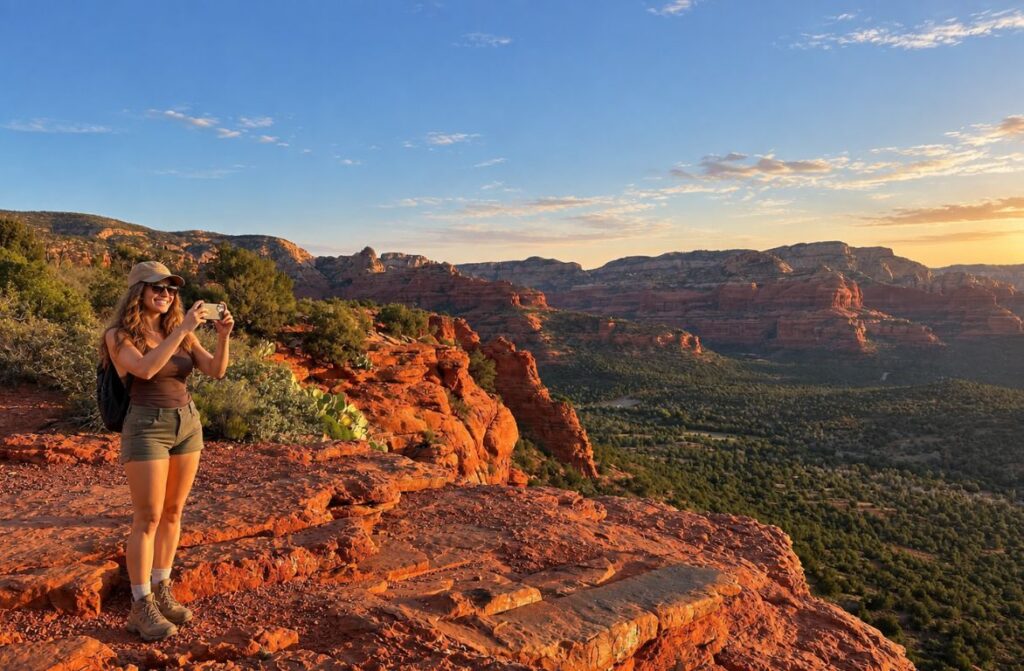
Doe Mountain is also one of my favorite choices when comparing the best Sedona hikes for sunrise.
As morning light reaches the surrounding formations, you can watch different sections of the landscape slowly brighten from above.
And unlike a hike where you’re staring at one formation, the elevated position gives you a much wider perspective.
Don’t forget that you’ll be starting in low light if you arrive before sunrise. Bring a proper light source rather than relying entirely on your phone.
Best for: Sunrise and panoramic views
Difficulty: Moderate
Good choice if: You want maximum scenery without committing most of the day
3. Fay Canyon Trail — One of the Best Beginner Hikes in Sedona
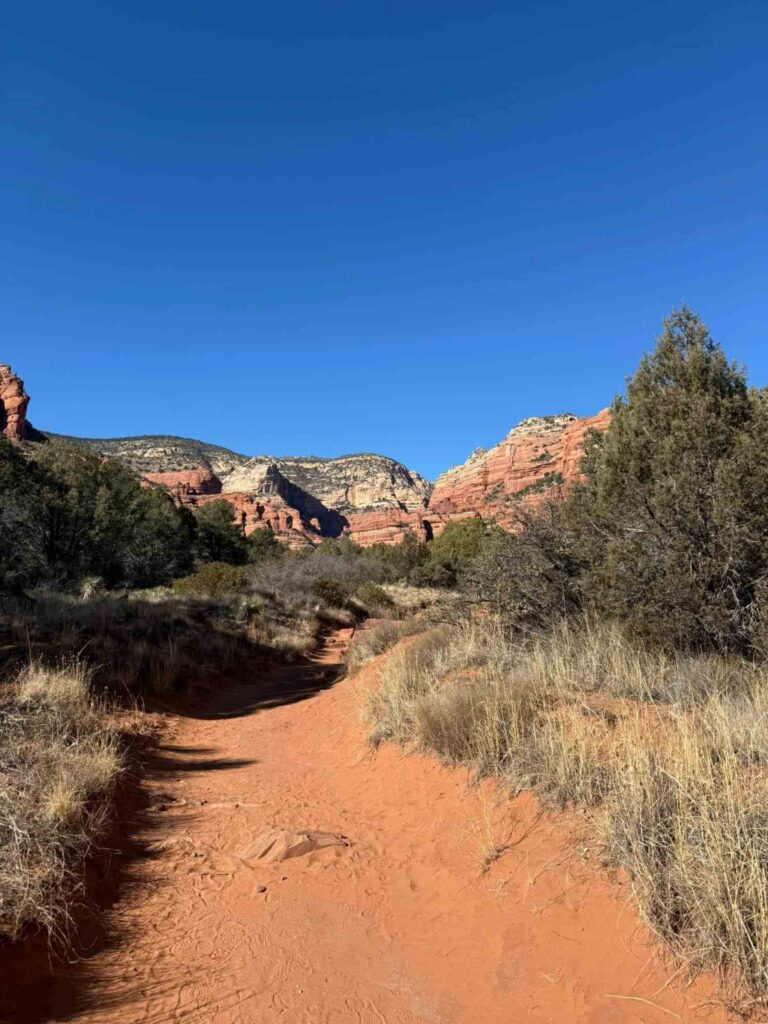
You don’t need steep climbs and rock scrambling to have a great hiking day in Sedona.
Fay Canyon proves it.
The trail takes you into a red-rock canyon while remaining much gentler than several of Sedona’s headline hikes.
Instead of concentrating on reaching a dramatic summit, you can enjoy the walls rising around you as you move farther into the canyon.
That makes it particularly appealing for first-time desert hikers.
Is Fay Canyon Good for Beginners?
For many visitors, yes.
If you’re searching for Sedona hiking trails for beginners, Fay Canyon deserves a spot near the top of your list because you can experience impressive scenery without immediately taking on one of the area’s steepest routes.
That doesn’t mean you should arrive unprepared.
It’s still Arizona. Bring water, sun protection, appropriate shoes, and don’t underestimate warm weather simply because the trail looks manageable.
Is Fay Canyon Family-Friendly?
It can also be a good option for families whose children are comfortable walking on natural trails.
The canyon itself gives everyone something to look at along the way, which can be much more entertaining than a long exposed trail with little variation.
Of course, “family-friendly” depends heavily on your child’s age, experience, the weather, and current trail conditions.
Who Should Choose Fay Canyon?
I’d put it high on your list if you’re looking for:
- Easy hikes in Sedona
- A first Sedona hiking experience
- A trail without intense scrambling
- A potentially family-friendly hike in Sedona
- Red-rock canyon scenery
- A relaxed morning outdoors
It’s a particularly useful trail for travelers who are intimidated by all the photos of people climbing steep sandstone.
Sedona doesn’t have to be extreme to be beautiful.
Best for: Beginners and relaxed canyon hiking
Difficulty: Easy to moderate depending on how you explore
Scenery: Red-rock canyon walls and desert landscape
Which of These Three Should You Pick?
If you only have room for one, think about the experience you want rather than automatically choosing whichever trail has the most Instagram photos.
Choose West Fork if you want creek crossings, trees, canyon walls, and something different from the classic exposed desert.
Choose Doe Mountain if panoramic views matter most and you don’t want an all-day hike.
Choose Fay Canyon if you’re new to hiking in Sedona and want an approachable introduction to the red rocks.
And we’re only getting started.
4. Bell Rock Pathway — Classic Sedona Red Rocks Without a Brutal Climb
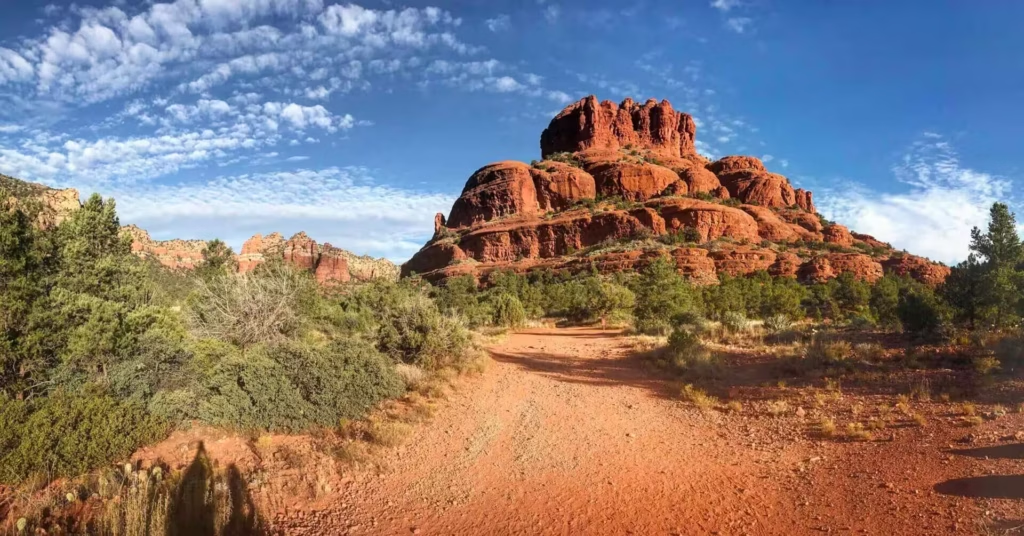
Bell Rock is one of those places that looks unmistakably Sedona before you’ve even stepped onto the trail.
The massive formation rises above the Village of Oak Creek, surrounded by wide-open desert and layers of red sandstone in almost every direction.
But here’s what makes this area especially useful for hikers: you don’t have to climb Bell Rock itself to enjoy it.
The pathways around the formation give you plenty of scenery without requiring the steep scrambling associated with some of Sedona’s harder hikes.
Why Bell Rock Works for Different Hikers
Bell Rock is a good choice when your group doesn’t have the same hiking ability.
Someone looking for an easier outing can stay on the lower trails, while more confident hikers can explore farther around the formation.
You can essentially decide how adventurous you want the experience to become as you go.
That flexibility is one reason Bell Rock deserves a place among the best hikes in Sedona for beginners.
Is Bell Rock a Sedona Vortex Hike?
Bell Rock is also one of the locations commonly associated with Sedona’s vortex culture.
Some visitors come specifically because they believe the area has a particular spiritual energy. Others come because the scenery is fantastic.
You don’t need to believe anything in particular to enjoy being here.
Find a comfortable spot, look across the red-rock landscape, and stay for a while instead of treating Bell Rock like another attraction to check off.
Best for: Beginners, red-rock scenery and vortex-curious travelers
Difficulty: Easy to moderate depending on your route
Good to know: You don’t need to climb high on Bell Rock to make the visit worthwhile
5. Courthouse Butte Loop — Best for a Longer Red-Rock Walk
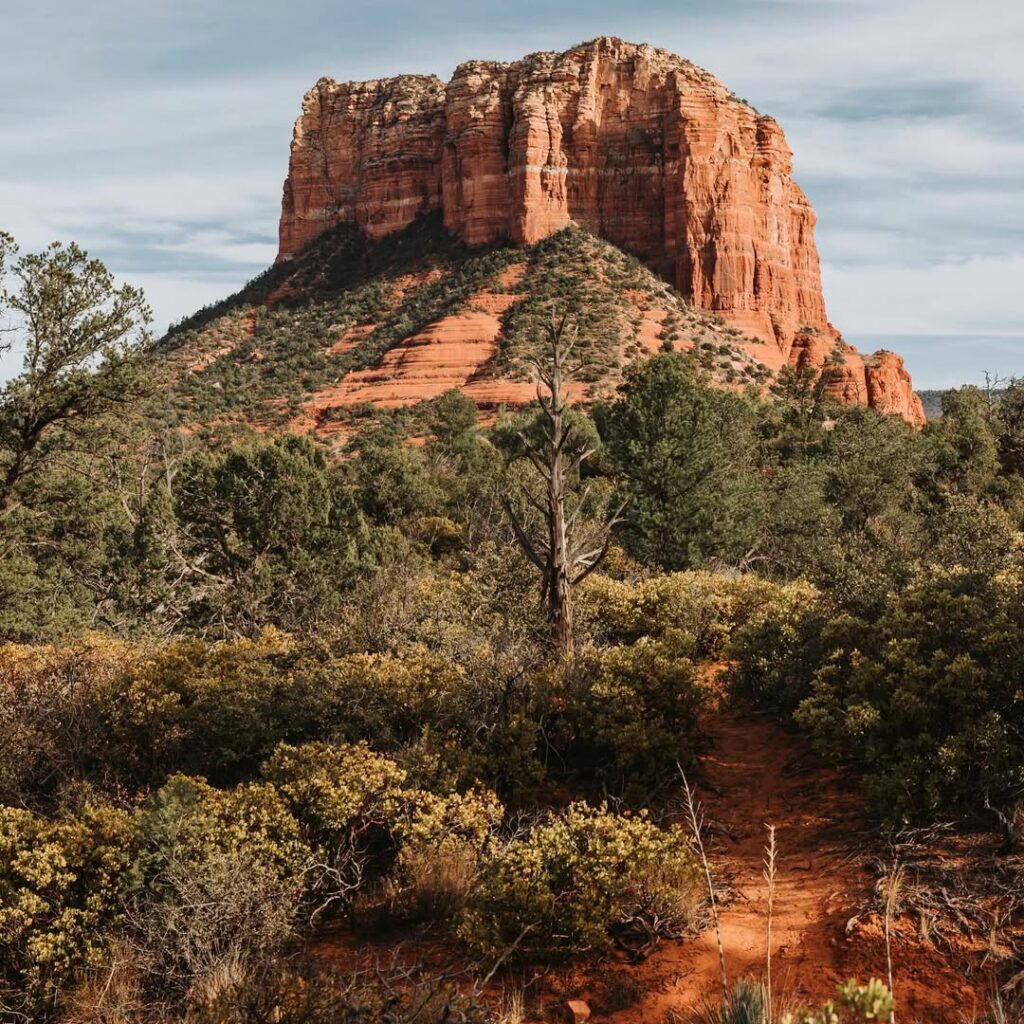
If Bell Rock feels a little too quick, Courthouse Butte gives you room to stretch the experience out.
Rather than focusing on reaching one famous photo spot, this hike is more about moving through the landscape.
You’ll walk with enormous formations around you while the perspective keeps changing.
Sometimes Courthouse Butte dominates the view. Then you turn and Bell Rock comes back into sight from a completely different angle.
Why I Like This Trail
There isn’t one single moment that makes the entire hike.
And that’s actually the appeal.
Some Sedona trails feel like you’re walking toward a prize at the end. Courthouse Butte is more about enjoying what’s around you throughout the hike.
That also means you’re less likely to spend the whole time wondering, “Are we there yet?”
If your main goal is finding Sedona hikes with red rocks, this is exactly the type of trail I’d look at.
Bell Rock or Courthouse Butte?
If you’re short on time, stick closer to Bell Rock.
If you have more time and want an actual hiking experience rather than a short scenic walk, explore the Courthouse Butte area.
The two also work well together because you’re already in the same general part of Sedona.
Best for: Classic red-rock scenery
Difficulty: Moderate
Choose it when: You want more walking and fewer “stand in line for the photo” moments
6. Mescal Trail — One of the Most Underrated Sedona Hikes with Views
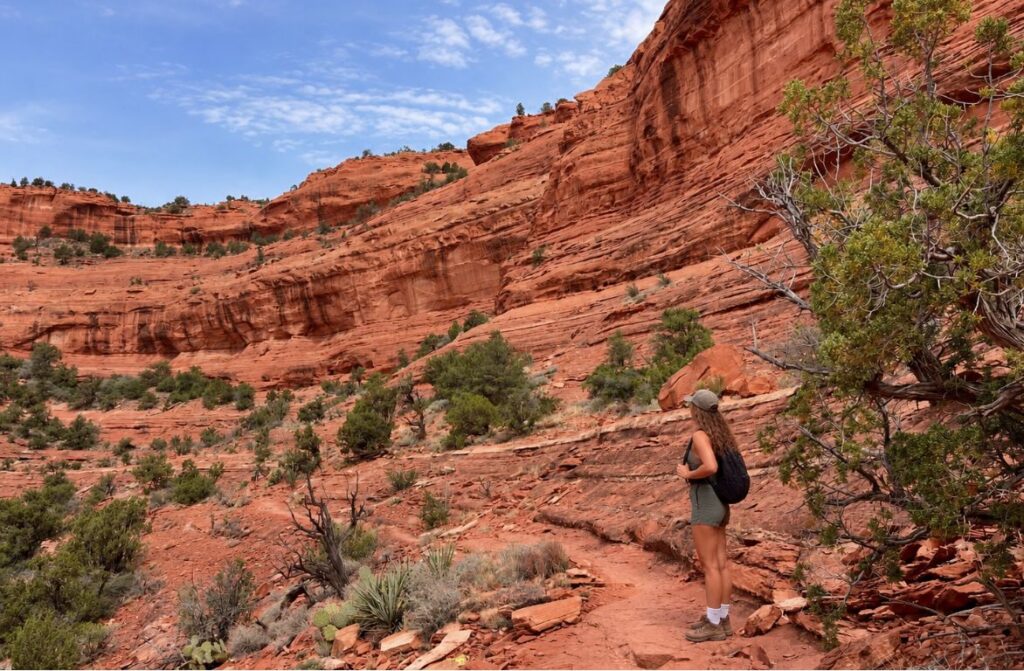
Mescal doesn’t always get the same attention as Cathedral Rock or Devil’s Bridge.
That’s part of what makes it interesting.
The trail takes you beneath impressive sandstone formations and across open desert terrain, giving you the kind of expansive views people come to Sedona for.
Instead of building the whole hike around one famous landmark, the scenery unfolds gradually.
It’s a trail where looking behind you occasionally is absolutely worth it.
What Makes Mescal Different?
The openness.
You aren’t spending the entire hike tucked inside a canyon or climbing toward one summit.
That creates long sightlines across the surrounding formations and makes the landscape feel enormous.
It can also be a good choice for travelers who have already done one of Sedona’s blockbuster hikes and want something that feels less like they’re following the exact same itinerary as everyone else.
Is Mescal Trail Difficult?
I’d put it in the moderate category for most recreational hikers, but conditions matter.
Sun exposure, heat, distance, and the route you choose can completely change how difficult a desert hike feels.
A trail that seems comfortable on a cool morning can feel like a different place under strong afternoon sun.
That’s why difficulty ratings should always be treated as a starting point—not a guarantee.
Best for: Wide red-rock views
Difficulty: Moderate
Great choice for: Travelers looking beyond Sedona’s headline trails
7. Soldier Pass — Best for Variety
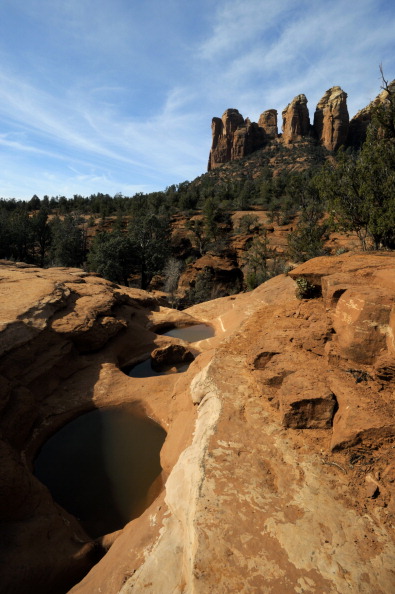
Some trails give you one big reason to hike them.
Soldier Pass gives you several.
The area combines red-rock scenery with unusual geological features, and the landscape changes enough along the way to keep the hike interesting.
One of the best-known stops is Seven Sacred Pools, a series of natural depressions in the sandstone.
Depending on recent weather, they may hold water—or they may look considerably drier than the photos you’ve seen online.
That’s okay.
Soldier Pass is worth exploring for more than the pools.
Don’t Hike Soldier Pass Just for One Photo
This is worth emphasizing because social media can create some strange expectations around Sedona.
You see a perfectly reflective Seven Sacred Pools photo and assume that’s exactly what will be waiting for you.
Nature doesn’t work that way.
Water levels change. Light changes. Weather changes.
Treat the pools as one interesting part of the hike rather than the sole reason you’re there, and the experience becomes much better.
Why Soldier Pass Belongs on This List
Variety is the big reason.
If you’ve already walked through open red-rock terrain elsewhere, Soldier Pass gives you different geological features to look for along the way.
It also works nicely for hikers who enjoy exploring rather than simply marching toward a summit.
Best for: Geological features and varied scenery
Difficulty: Moderate depending on route
Photography: Particularly interesting after conditions that leave water in the pools
Want More Than Hiking?
After several trails, your legs might start negotiating with you.
Sedona has plenty to do when that happens.
You can explore the Chapel of the Holy Cross, wander through Tlaquepaque, drive through Oak Creek Canyon, spend time in Uptown, take a scenic drive, watch sunset, or simply find somewhere beautiful to sit.
I’ve put together 25 of the best things to do in Sedona if you want to mix your hiking days with scenic drives, viewpoints, town stops, and easier experiences.
8. Boynton Canyon — A Longer Hike When You Want to Slow Down
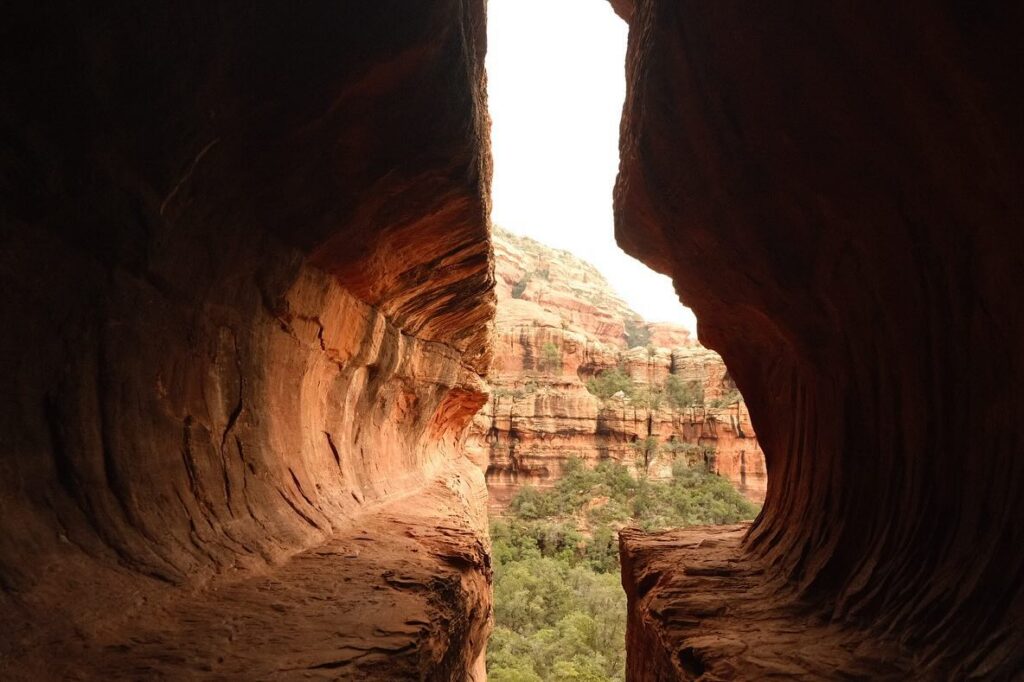
Boynton Canyon is better suited to a day when you’re not trying to squeeze three major attractions into the same morning.
The trail leads you deeper into canyon country, and that’s a big part of its appeal.
Instead of getting your view immediately, you spend more time moving through the landscape.
The scenery changes gradually, which makes Boynton Canyon feel more like a journey than a quick viewpoint hike.
Why Choose Boynton Canyon?
Choose this one when you actually want to spend part of your day hiking.
It’s especially appealing after you’ve already experienced some of Sedona’s shorter trails and want something with a different rhythm.
You get canyon walls, vegetation, changing views, and that feeling of moving farther away from town.
What About the Boynton Canyon Vortex?
Boynton Canyon is also frequently mentioned when people search for Sedona vortex hikes.
As with Bell Rock, you don’t need to approach the hike from a spiritual perspective.
Some people visit specifically for the vortex association. Others barely think about it and simply enjoy the canyon.
Both approaches are perfectly fine.
The mistake would be rushing through a beautiful place because you’re trying to locate some exact invisible “vortex point.”
Let the landscape be enough.
Best for: Longer hikes and canyon scenery
Difficulty: Moderate
Vortex connection: Commonly associated with Sedona’s vortex culture
Allow: Enough time that you don’t have to race back for your next reservation
9. Yavapai Vista Trail — An Easy Hike with a Surprisingly Big Payoff
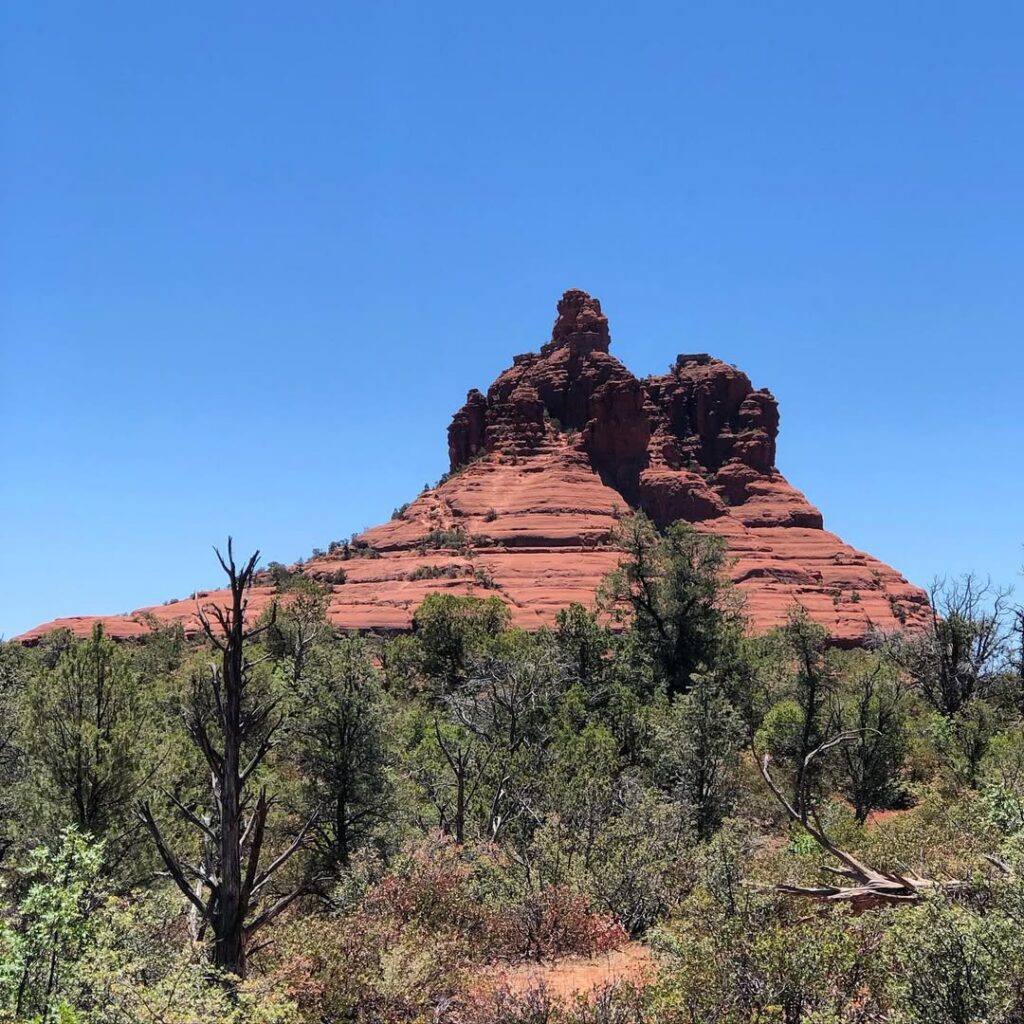
Not every great Sedona hike needs to leave you exhausted.
Yavapai Vista is a good example.
This is the kind of trail I’d save for a morning when you want to get outside but don’t feel like committing to several hours of hiking. The route is relatively approachable, yet the surrounding red-rock scenery makes it feel much more rewarding than the effort suggests.
You get especially nice views toward Bell Rock and Courthouse Butte.
Why Choose Yavapai Vista?
Its biggest advantage is simplicity.
You can enjoy the landscape without complicated route planning or a demanding climb. That makes it useful for first-time visitors who are still figuring out how they handle Sedona’s terrain.
It’s also a nice option after you’ve already completed a harder hike the previous day.
Your legs get a break without sacrificing the scenery.
Is Yavapai Vista Good for Beginners?
For many visitors, yes.
If you’re wondering what are the easiest hikes in Sedona, this is one I’d consider alongside Fay Canyon and the lower Bell Rock trails.
Just remember that “easy” doesn’t mean risk-free.
Heat, sun exposure, uneven ground, and individual fitness can turn an otherwise straightforward trail into a tiring outing.
Best for: Beginners and short outings
Difficulty: Easy
Views: Bell Rock, Courthouse Butte and surrounding red-rock country
Good choice when: You want scenery without a major time commitment
10. Airport Mesa Loop — Red-Rock Views From Almost Every Direction
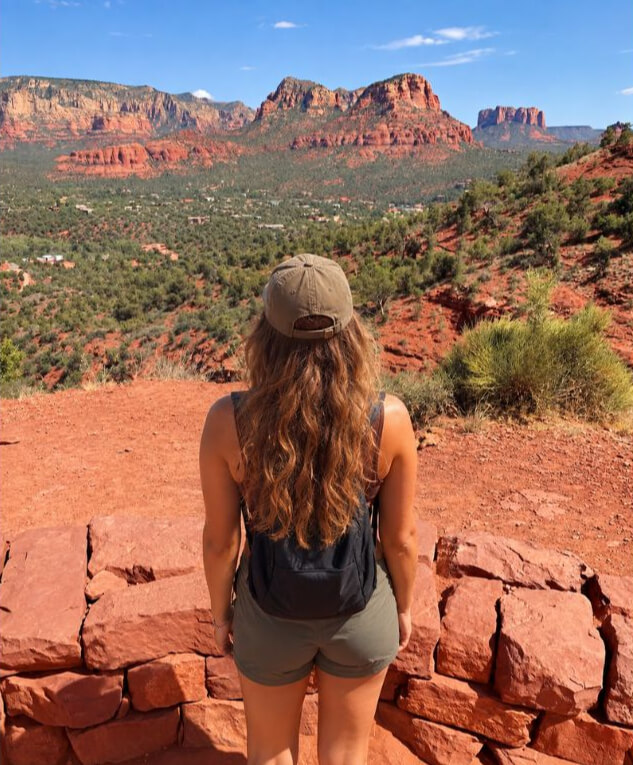
Airport Mesa gets plenty of attention as a sunset spot.
But there’s a difference between driving up for sunset and actually exploring the area on foot.
The Airport Mesa Loop gives you a much broader look at the landscape surrounding central Sedona.
Instead of hiking toward one rock formation, you’re treated to changing views as you move around the mesa.
That’s what makes this one of the better Sedona hikes with views.
What Makes Airport Mesa Different?
Location.
Because the mesa sits close to the middle of Sedona, you can look outward toward several different sections of red-rock country.
It gives you a sense of how the formations fit together rather than showing you just one canyon or landmark.
For a first-time visitor, that perspective is surprisingly useful.
Should You Hike It at Sunset?
You can, but don’t assume sunset is automatically the best option.
The area can become busy around that time, and hiking while constantly checking whether you’ll reach a certain viewpoint before the sun disappears isn’t particularly relaxing.
A morning hike can be a better experience.
You’ll still get excellent scenery, and you can return to a convenient viewpoint later if you specifically want sunset.
Best for: Panoramic Sedona views
Difficulty: Moderate
Good for: Travelers who enjoy longer scenic loops
11. Cathedral Rock Trail — Short, Steep and Nothing Like an Easy Walk
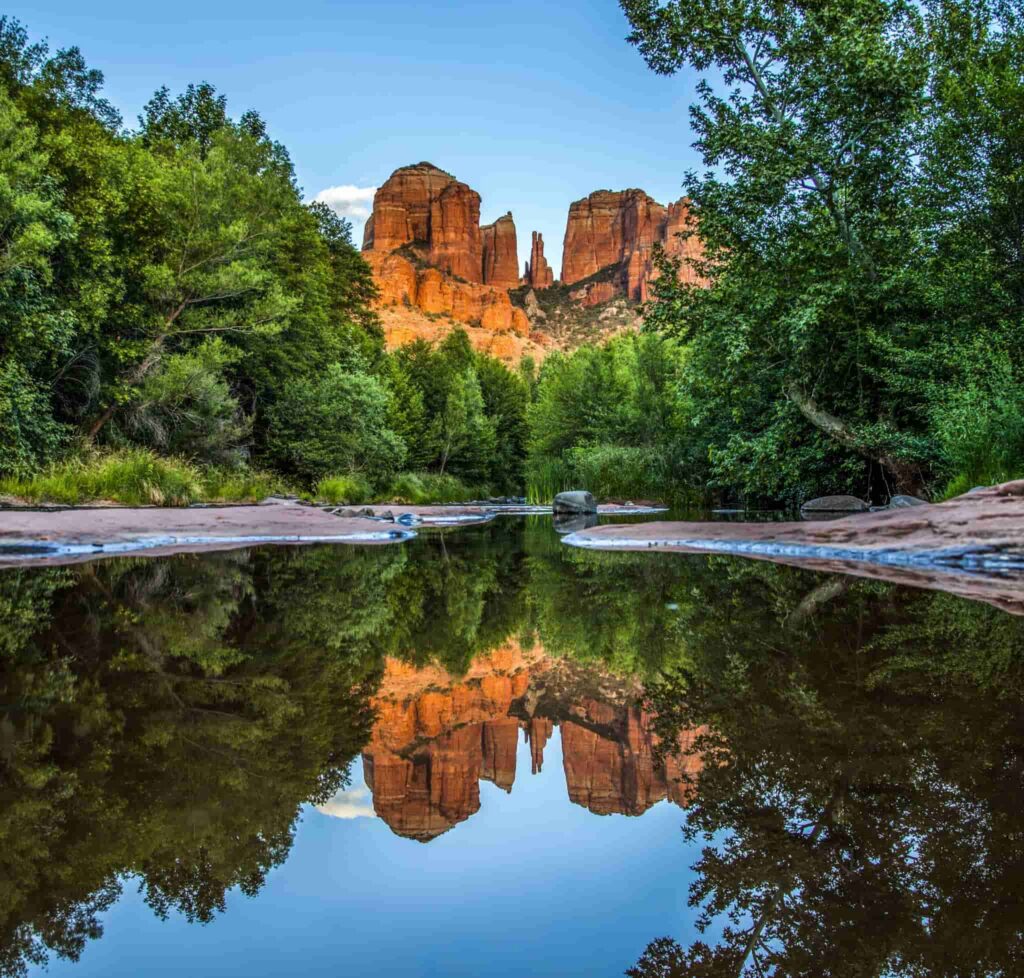
Cathedral Rock deserves a place on a list of the best hikes in Sedona, but there’s something I’d make clear before recommending it:
Short does not mean easy.
The mileage can make Cathedral Rock look deceptively manageable when you’re comparing trails online.
Then you arrive and realize that parts of the experience involve steep sandstone and using your hands to help yourself upward.
For confident hikers, that’s part of the fun.
For someone expecting a casual desert walk, it can be an unpleasant surprise.
What Is the Cathedral Rock Hike Really Like?
The route becomes progressively steeper.
There are sections where you’re moving up sloped rock rather than following the kind of obvious dirt trail you might expect.
Good footwear matters here.
So does knowing your own comfort level.
There’s absolutely no shame in reaching a point where the terrain stops being enjoyable and deciding you’ve gone far enough.
You’ll still see beautiful scenery along the way.
Why Is Cathedral Rock So Popular?
Because the setting is spectacular.
The closer you get to the formation, the more dramatic the surrounding sandstone becomes.
Higher sections open up views across the landscape, and the rock itself creates a completely different atmosphere from Sedona’s flatter canyon trails.
It’s one of those places where the environment feels enormous.
Is Cathedral Rock a Vortex Hike?
Cathedral Rock is commonly included among Sedona vortex hikes.
Some visitors come specifically to meditate or experience what they believe to be the area’s energy.
Others are there for the climb and the views.
You don’t need to choose one interpretation.
Just be considerate of people who may be experiencing the place differently from you.
Who Should Skip the Full Cathedral Rock Climb?
I’d think twice about the full climb if you:
- Are uncomfortable with steep rock
- Strongly dislike scrambling
- Have mobility or balance concerns
- Are wearing shoes with poor grip
- Are hiking in unsafe weather
- Simply aren’t enjoying yourself
There are other ways to experience Cathedral Rock.
Missing the summit does not mean you’ve missed Sedona.
Best for: Adventurous hikers and dramatic views
Difficulty: Challenging despite its relatively short distance
Terrain: Steep sandstone with scrambling
Vortex connection: Yes, commonly associated with Sedona’s vortex culture
12. Devil’s Bridge Trail — Sedona’s Famous Natural Arch
Let’s address the obvious question.
Is Devil’s Bridge actually worth hiking when everyone else seems to be doing it too?
For many first-time visitors, yes.
But I’d go into it knowing that this isn’t a hidden desert adventure.
Devil’s Bridge is famous, and popular places attract people for a reason.
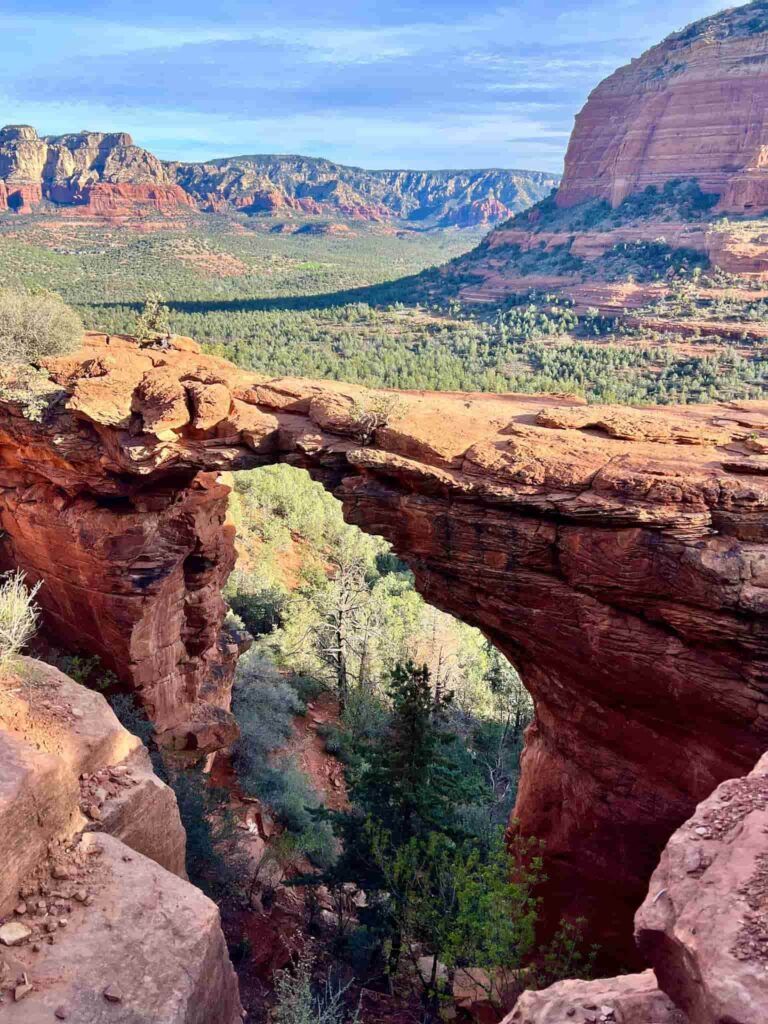
The natural sandstone arch is impressive, the surrounding scenery is beautiful, and standing in front of something you’ve probably seen dozens of times online can still be surprisingly exciting.
The experience just gets better when you stop expecting to have it to yourself.
The Hike Isn’t Only About the Bridge
This is something that gets lost in photos.
Online, you mostly see the arch.
During the actual hike, you’re moving through a much larger red-rock landscape.
Take time to look around rather than marching toward the bridge with your camera already in your hand.
The approach becomes more interesting toward the end, when the terrain gets steeper.
That final section is also where you’ll want to slow down and give other hikers room.
Do You Have to Walk Onto Devil’s Bridge?
No.
And I wish this were said more often.
You don’t have to walk onto the arch just because you’ve hiked there.
If heights make you uncomfortable, enjoy the view from a position where you feel secure.
A vacation photo isn’t worth making yourself miserable.
How Do You Make Devil’s Bridge More Enjoyable?
Timing matters.
An earlier start can help with heat and crowds, although popular Sedona trails can still be busy surprisingly early.
Also check the current access situation before leaving.
Parking, road access, shuttle arrangements, and trailhead procedures can change, and outdated blog posts are exactly how travelers end up standing beside their rental car wondering where they’re supposed to go.
Best for: A first Sedona trip and iconic scenery
Difficulty: Moderate overall, with steeper terrain near the end
Expect: Other hikers
Don’t feel obligated to: Walk onto the bridge
13. Baldwin Trail — A Relaxed Way to See Cathedral Rock
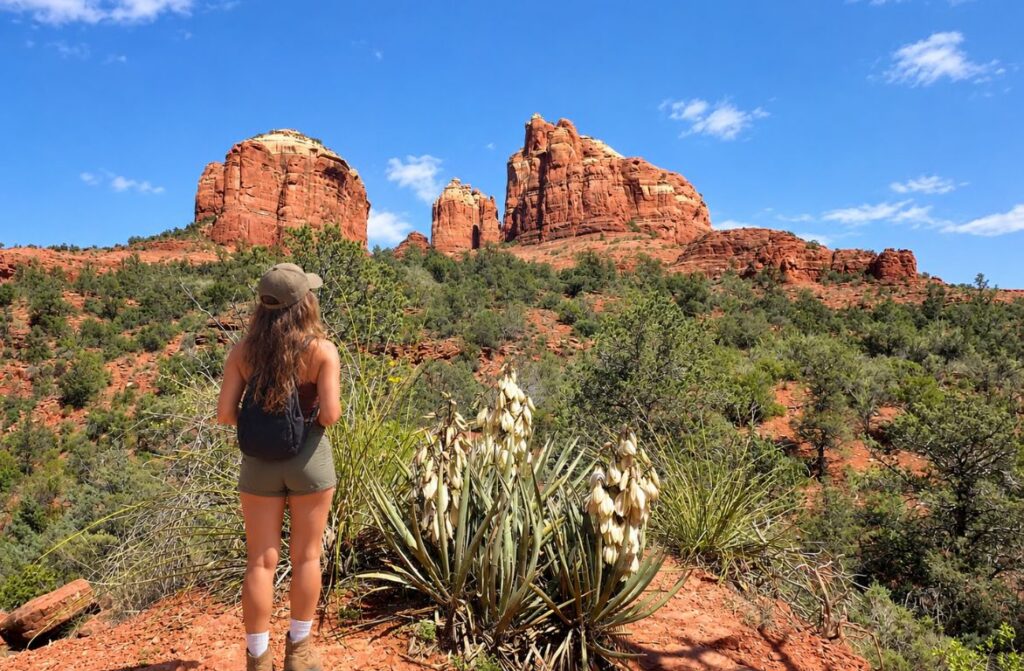
Cathedral Rock doesn’t always have to mean scrambling up steep sandstone.
If you love the look of Cathedral Rock but aren’t interested in climbing it, Baldwin Trail gives you another way to experience the area.
Instead of focusing on getting higher, the trail takes you through open red-rock country with changing views of Cathedral Rock and the surrounding landscape.
It’s a much different experience from the main Cathedral Rock climb.
And for some travelers, it may actually be the better one.
Why Choose Baldwin Trail?
The biggest reason is perspective.
When you’re climbing directly on a famous formation, you don’t always get to appreciate what it looks like from a distance.
Baldwin lets Cathedral Rock become part of the landscape rather than the thing underneath your feet.
It’s particularly appealing if you’ve already completed a steep hike and want something less intense the following day.
Is Baldwin Trail Easy?
I’d describe it as easier-going than Cathedral Rock rather than simply calling it “easy.”
You’re still hiking outdoors on natural terrain, and heat can make almost any Sedona trail more demanding.
But you won’t be dealing with the same kind of steep scrambling that defines the main Cathedral Rock route.
Best for: Cathedral Rock views without the climb
Difficulty: Easy to moderate
Good alternative to: The main Cathedral Rock Trail
Photography: Excellent when the light hits Cathedral Rock
14. Brins Mesa Trail — Wide-Open Views and a Change of Perspective
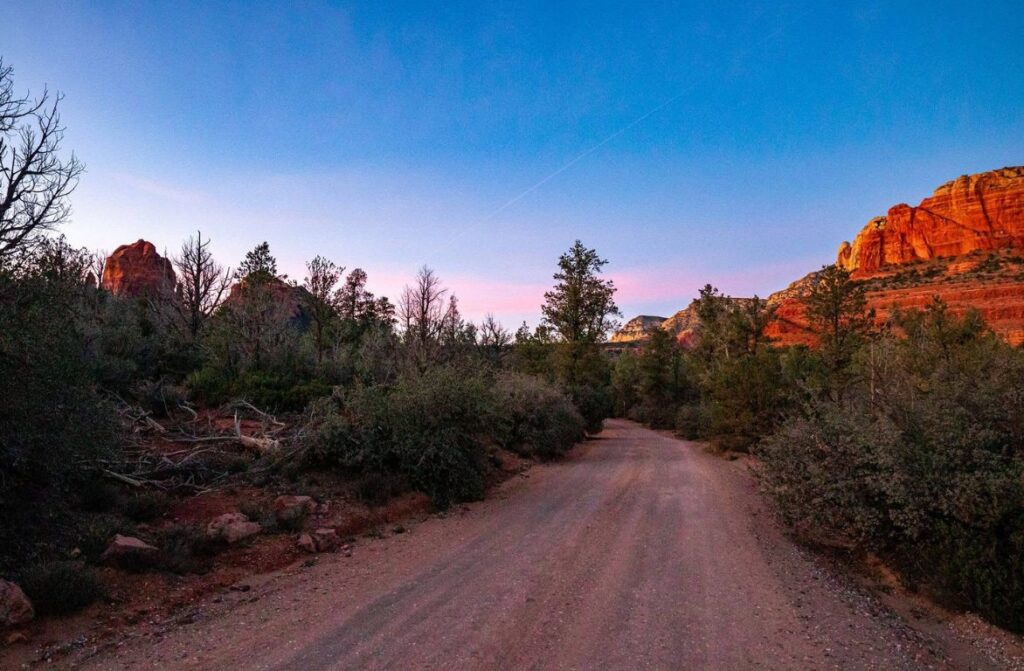
Brins Mesa is a good trail for the moment when Sedona starts to feel surprisingly busy.
Once you gain some elevation, the landscape opens up and the town begins to feel farther away.
Instead of one dramatic formation dominating the entire hike, you get broader views across mesas, valleys, and red-rock country.
That makes Brins Mesa feel different from trails like Devil’s Bridge.
There’s no single landmark you’re racing toward.
The landscape itself is the attraction.
What Makes Brins Mesa Worth Hiking?
Space.
That’s the word I’d use.
The higher portions feel open and expansive, and the scenery changes as you move along the mesa.
If you’ve spent the previous day squeezing onto popular viewpoints, that sense of openness can be incredibly refreshing.
Is Brins Mesa a Moderate Hike?
For many hikers, yes.
You’ll need to put some work into the climb, so I wouldn’t group it with the easiest beginner trails.
But it doesn’t rely on the same kind of exposed scrambling that makes Cathedral Rock intimidating for some visitors.
Go early if temperatures are warm because sections can feel exposed.
Best for: Wide views and a more spacious hiking experience
Difficulty: Moderate
Choose it if: You’d rather hike through scenery than chase one famous photo
15. Bear Mountain Trail — The Challenge Hike
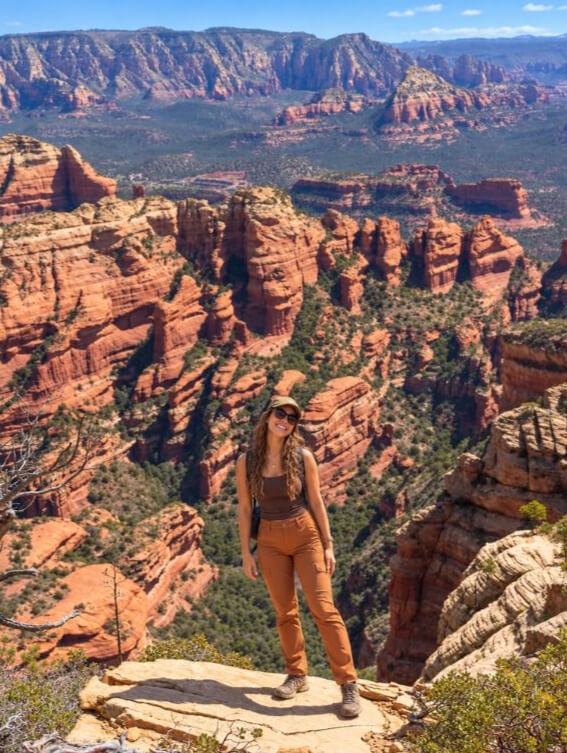
Let’s finish the list with something completely different.
Bear Mountain isn’t here because everyone visiting Sedona should hike it.
They shouldn’t.
It’s here because experienced hikers may be looking for something more demanding than the shorter trails that dominate many Sedona itineraries.
This is the trail for a day when the hike itself is the main event.
Why Is Bear Mountain More Difficult?
The elevation gain and sustained climbing make this a much bigger physical commitment than trails such as Fay Canyon or Yavapai Vista.
It’s not the kind of hike I’d casually add before lunch because there happens to be an empty space on the itinerary.
You need time, water, appropriate conditions, and enough energy for the return.
Navigation also deserves attention. Desert terrain and rock formations can sometimes make routes appear more obvious than they really are.
Who Should Hike Bear Mountain?
Consider it if you’re an experienced hiker, comfortable with strenuous elevation gain, and specifically looking for a challenging Sedona day.
Skip it if you’re choosing it simply because you think the hardest hike must have the best views.
Sedona has incredible scenery at practically every difficulty level.
You don’t need to exhaust yourself to earn it.
Best for: Experienced hikers wanting a challenge
Difficulty: Strenuous
Allow: A substantial part of your day
Not ideal for: Casual hikers or packed sightseeing days
What Is the Best Time to Hike in Sedona?
This matters almost as much as choosing the trail.
Sedona is a desert destination, but temperatures and conditions vary significantly through the year.
And the best hiking time isn’t necessarily the same as the best time to photograph a particular formation.
Hiking in Spring
Spring is popular for good reason.
Temperatures can be much more comfortable for hiking than during the hottest part of summer.
The trade-off?
You’re unlikely to be the only person who had the same idea.
Popular trails, parking areas, and roads can become busy, especially around weekends and holidays.
Starting earlier can help you avoid some of that congestion.
Hiking in Summer
Summer requires a different strategy.
A trail that feels perfectly manageable during cooler weather can become exhausting when you’re exposed to strong sun and high temperatures.
Don’t plan your hiking day around sleeping late and hitting an exposed trail in the hottest part of the afternoon.
Start early.
Carry plenty of water.
And be willing to change your plans when conditions don’t look sensible.
There’s no shame in replacing a hike with a scenic drive, long lunch, or pool afternoon.
Sedona Fall Hiking Trails
Fall can be a fantastic time to hike Sedona.
Temperatures generally become more appealing for outdoor activities, while certain areas—particularly around Oak Creek—can offer seasonal color that contrasts beautifully with the red rocks.
If fall color interests you, West Fork and the Oak Creek Canyon area deserve particular attention.
But foliage timing isn’t identical every year.
Temperature, elevation, and weather patterns all influence when colors appear.
So don’t plan your entire trip around one exact “peak” date you found in an old article.
Chasing fall colors beyond Arizona? My guide to the best time to visit Vermont in fall breaks down foliage timing and how to plan around peak color.
Hiking in Winter
Winter can bring some gorgeous hiking days.
It can also bring cold temperatures, ice, snow, or muddy conditions.
Snow dusting Sedona’s red rocks looks incredible, but beautiful scenery doesn’t automatically mean safe trail conditions.
Check conditions rather than assuming Arizona equals warm weather.
Layers become especially useful because morning temperatures can feel very different from the middle of the day.
What Time of Day Should You Hike?
For most Sedona hiking days, morning is the easiest default.
You’ll often get cooler temperatures, softer light, and more time to deal with unexpected delays.
It also leaves the rest of your day free.
That doesn’t mean every hike needs to begin in darkness.
Sunrise
Great for photographers, warm-weather hiking, and anyone who doesn’t mind a very early alarm.
Morning
Probably the best all-around choice.
Afternoon
Potentially fine in cooler conditions, but less appealing during hot weather.
Sunset
Beautiful on the right trail, but remember something important:
You still have to hike back.
If you’re deliberately staying out for sunset, carry a real light source and know your route. Don’t rely on your phone battery to become emergency hiking equipment.
What to Pack for Hiking in Sedona
You don’t need an enormous amount of gear for every short hike, but there are a few things I’d consistently bring.
Plenty of Water: This is your top priority. Dry air makes dehydration easy to underestimate, so carry enough volume for the heat and distance rather than relying on a single small bottle.
Sun Protection: Most red-rock trails offer minimal shade. Pack broad-spectrum sunscreen, UV-blocking sunglasses, and a wide-brimmed hat.
Traction-Focused Footwear: Slick sandstone requires shoes with reliable grip. Heavy mountaineering boots aren’t necessary, but smooth-soled casual sneakers are a safety hazard on steep rock faces.
Offline Trail Maps: Cell service is notoriously spotty throughout the canyons. Download offline maps and route details to your phone before arriving at the trailhead.
Trail Fuel: Bring calorie-dense snacks. A trek can easily take longer than planned, and having food on hand prevents sudden fatigue miles from the car.
An Extra Layer: Desert air cools rapidly once the sun drops. Pack a light windbreaker or fleece, particularly during cooler months or if hiking near dawn and dusk.
A Dedicated Light Source: If you plan on catching sunrise or sunset, pack a headlamp or compact flashlight. A phone flashlight is inadequate and clumsy for navigating uneven, rocky terrain in the dark.
Tip: Don’t Overpack Your Schedule
Leave margin in your daily plans. You might find a crowded trailhead, face sudden weather shifts, feel trail fatigue, or simply want an extra hour at a scenic overlook. Adapting to the day isn’t a ruined itinerary—it’s just good travel.
Trailhead Logistics: Maps, Parking & Permits
Picking the route is only half the plan—navigating parking, shuttles, and trail access in Sedona requires equal attention.
1. Trailhead Access & Parking
Popular trailheads frequently fill up before mid-morning, and parking policies vary across sites. Before driving out, confirm:
- The Exact Access Point: Several trails have multiple trailheads; verify where your specific route begins.
- Parking Capacity: Many lots are small and strictly enforced with no overflow parking along roadsides.
- Sedona Shuttle Availability: Highly trafficked trailheads—such as Cathedral Rock and Soldier Pass—are serviced by the free Sedona Shuttle, which is often far easier than hunting for an open parking spot.
2. Reliable Trail Navigation
Cell service across Sedona’s red rock canyons is unreliable. Do not rely on old screenshots or assume trail configurations haven’t changed.
- Download offline maps from an official recreation service or a reliable hiking app before leaving your accommodation.
- Save key data offline: trailhead coordinates, shuttle drop-offs, total mileage, elevation profile, and critical trail junctions.
- Review the route before stepping onto the path: It is easy to accidentally trail behind another group heading toward a completely different junction.
3. Red Rock Passes & Fees
Recreation fees are not uniform across every trail:
- Some lots require an active Red Rock Pass or an accepted federal pass (like America the Beautiful), while others do not charge parking fees.
- Rather than relying on outdated blog recommendations, check the current recreation fee requirements directly for your specific destination before leaving.
Common Sedona Hiking Mistakes to Avoid
Chasing Hype Over Fit:
A famous trail like Devil’s Bridge isn’t ideal for someone who dislikes drop-offs or sheer edges. Pick routes based on your comfort level and preferences—not social media algorithms.
Judging Difficulty Solely by Mileage:
A short trail like Cathedral Rock includes steep slickrock scrambles, high exposure, and intense sun that make it far more strenuous than its distance suggests.
Carrying Insufficient Water:
The low desert humidity accelerates dehydration long before you feel thirsty. Size your water supply for the heat and exposure, not just the trail length.
Breaking in New Footwear on the Trail:
Red rock sandstone provides friction, but stiff, untested shoes will cause hot spots within the first mile. Break in your gear beforehand.
Expecting Sunrise Spots to Be Empty:
Waking up early delivers cooler temperatures and softer morning light, but iconic spots will still draw photographers and early hikers.
Ignoring Desert Weather Swings:
Arizona weather is not universally mild. High afternoon heat, flash flood risks, winter freezes, and snow dustings can alter trail safety quickly. Check fresh forecasts right before you head out.
Trip Planning: How Many Hikes Should You Plan?
Quality beats quantity when dealing with elevation gain, sun exposure, and trailhead logistics.
1-Day Visit (1 Hike):
Pick a single standout route. Pair it with a scenic drive, a casual lunch, and sunset viewing rather than racing between lots.
2-Day Visit (2 Hikes):
Aim for two solid hikes, or one longer morning trek paired with a short, easy walk later in the day.
3-Day Visit (2–3 Hikes):
Vary the terrain so the scenery stays distinct:
Day 1: Canyon floor shade (Fay Canyon)
Day 2: Landmark views (Devil’s Bridge)
Day 3: Elevated mesa panorama (Doe Mountain)
4+ Days Visit (Slow Pace):
Integrate longer routes—such as West Fork, Boynton Canyon, or Brins Mesa—and schedule a dedicated rest day to avoid trail fatigue.
Final Thoughts on Hiking in Sedona
The best part about hiking in Sedona isn’t reaching one famous viewpoint.
It’s how quickly the landscape changes.
One morning you can be walking beside Oak Creek beneath canyon walls. The next, you’re standing on a mesa looking across miles of red-rock country.
That’s why I wouldn’t try to collect hikes.
Choose a few that offer different experiences. Start early when conditions call for it, carry enough water, and leave room in your plans for unexpected stops.
And every once in a while, put the camera away.
The red rocks look pretty good without a screen between you and them.
Frequently Asked Questions
What are the best hikes in Sedona?
There’s no single best trail for everyone. For a varied first trip, consider Fay Canyon for an approachable canyon hike, Doe Mountain for panoramic views, West Fork for Creekside scenery, Devil’s Bridge for an iconic landmark, and Cathedral Rock for a more adventurous climb.
The right choice depends more on your fitness and preferred experience than popularity.
What are the easiest hikes in Sedona?
Yavapai Vista, lower trails around Bell Rock, and Fay Canyon are good places to begin your research if you’re looking for easy hikes in Sedona.
Remember that heat and trail conditions can make even relatively easy routes feel harder. Check current conditions before setting out.
What are the best Sedona hiking trails for beginners?
Fay Canyon is a particularly good starting point because you can enjoy impressive canyon scenery without tackling the steep scrambling found on trails such as Cathedral Rock.
Bell Rock’s lower trails also allow beginners to adjust how far they want to explore.
Which Sedona hikes have the best red-rock views?
It’s difficult to find a Sedona hike without good scenery, but Courthouse Butte, Bell Rock, Doe Mountain, Brins Mesa, Mescal Trail, and Cathedral Rock are particularly strong options for red-rock views.
Doe Mountain is especially useful if you prefer looking across the landscape rather than standing directly beneath one formation.
What is the best Sedona hike for sunrise?
Doe Mountain is one of my favorite options because its elevated position gives you a broad view as morning light reaches the surrounding landscape.
Wherever you choose, bring a headlamp if you’ll be hiking before daylight.
What are the best Sedona vortex hikes?
Bell Rock, Cathedral Rock, Boynton Canyon, and Airport Mesa are commonly associated with Sedona’s vortex culture.
You don’t need to believe in vortex energy to visit these areas. They’re also beautiful hiking and sightseeing locations in their own right.
What are the best family-friendly hikes in Sedona?
Fay Canyon and some lower Bell Rock-area trails can be good starting points for families.
Yavapai Vista may also suit families looking for something shorter.
But choose according to your children’s actual hiking experience rather than age alone, and be particularly careful about heat and water.
What are the best moderate hikes in Sedona?
Brins Mesa, Courthouse Butte, Doe Mountain, Mescal Trail, Soldier Pass, Boynton Canyon, and Airport Mesa Loop are worth researching if you’re comfortable moving beyond beginner trails.
They offer very different experiences, so don’t simply choose by distance.
Are Sedona hiking trails good in fall?
Yes. Fall can bring comfortable hiking weather, and areas around Oak Creek can develop seasonal color.
West Fork is particularly appealing if you want to combine canyon scenery with fall foliage.
Do I need a Sedona hiking trails map?
You should have a reliable map for any trail where navigation could become unclear.
Downloading an offline map before leaving is a smart idea because cell service shouldn’t be assumed on the trail.
For current trail information, prioritize official recreation sources.
Do I need a car to hike in Sedona?
A car makes exploring the wider Sedona area considerably easier, but you may not drive directly to every trailhead.
Some popular areas may use shuttle services or have parking restrictions, so check current access information for each hike before leaving.
Is hiking in Sedona worth it if I’m a beginner?
Absolutely.
One of the biggest misconceptions about Sedona is that you need to climb Cathedral Rock or stand on Devil’s Bridge to experience it properly.
You don’t.
There are beginner-friendly trails with fantastic scenery, and sometimes the easier route gives you more time to actually look around.
The best Sedona hike isn’t necessarily the hardest one. It’s the one that makes you want to keep walking.