Best Time to Visit Vermont in Fall: Peak Foliage Map & Timing Guide
Wondering exactly when to visit Vermont to catch those storybook red and gold leaves?
Timing peak fall foliage can feel like a guessing game, but it is much more predictable once you understand how latitude and elevation work together.
Autumn does not hit the entire state overnight. Instead, it sweeps down like a slow, colorful wave—starting along the northern Canadian border and high mountain summits before rolling down into the southern river valleys.
That means no matter when you visit between late September and mid-October, there is almost always peak foliage somewhere in the state.
In this guide, I will walk you through the historical foliage sweet spot, a week-by-week regional timeline, smart tools for tracking leaves live, and local strategies to ensure your road trip is full of color.
Quick Foliage Planning Tips
Heading to Vermont this autumn? Keep these essential rules in mind while mapping out your days:
- The Ultimate Sweet Spot: If you have to lock in reservations months ahead, target October 3 through October 12. This window historically offers the highest chance of seeing fiery sugar maples across central hubs like Stowe, Waterbury, and Woodstock.
- Book Accommodations Early: Charming inns and boutique B&Bs along Route 100 often sell out 4 to 6 months in advance.
- Dress in Layers: Morning temperatures frequently drop near freezing before warming into crisp 60°F afternoons, so bring warm knits, light jackets, and sturdy walking shoes.
How Elevation Controls Leaf Color
Never rely purely on the calendar to decide where to drive each morning.
Crisp, frosty night air settles into the highest mountain gaps first, signaling the trees to stop producing green chlorophyll. Because of this temperature shift, color travels down the mountainsides at roughly 100 vertical meters every few days.
If an autumn windstorm strips the high ridges bare: Head down toward sheltered river basins or the shores of Lake Champlain, where warmer temperatures protect the leaves and keep them vibrant for weeks longer.
If your valley town is still mostly green: Take a quick drive up into a high mountain pass like Smugglers’ Notch or Appalachian Gap. Chances are, the higher slopes are already glowing in full color.
Week-by-Week Foliage Breakdown
Catching peak color comes down to pairing your travel dates with the right elevation and region. Here is how autumn unfolds across Vermont:
Late September: Northern Ridges & High Peaks (Sept 22 – Sept 30)

Autumn kicks off across the remote Northeast Kingdom and along high-elevation mountain shoulders. During this early window, fiery red sugar maples light up against dark green evergreens on the upper slopes.
Why Visit Now: The backroads are peaceful, farm stands are quiet, and you get to enjoy the first wave of color before peak crowds arrive.
Where to Go: Drive Route 5A past the rugged cliffs of Lake Willoughby or take the auto road up Burke Mountain.
Early October: The Classic Central Spine (Oct 1 – Oct 8)

By the first week of October, central Vermont hits its peak color explosion. World-famous towns like Stowe, Waterbury, and the Mad River Valley turn brilliant shades of electric orange, amber, and scarlet.
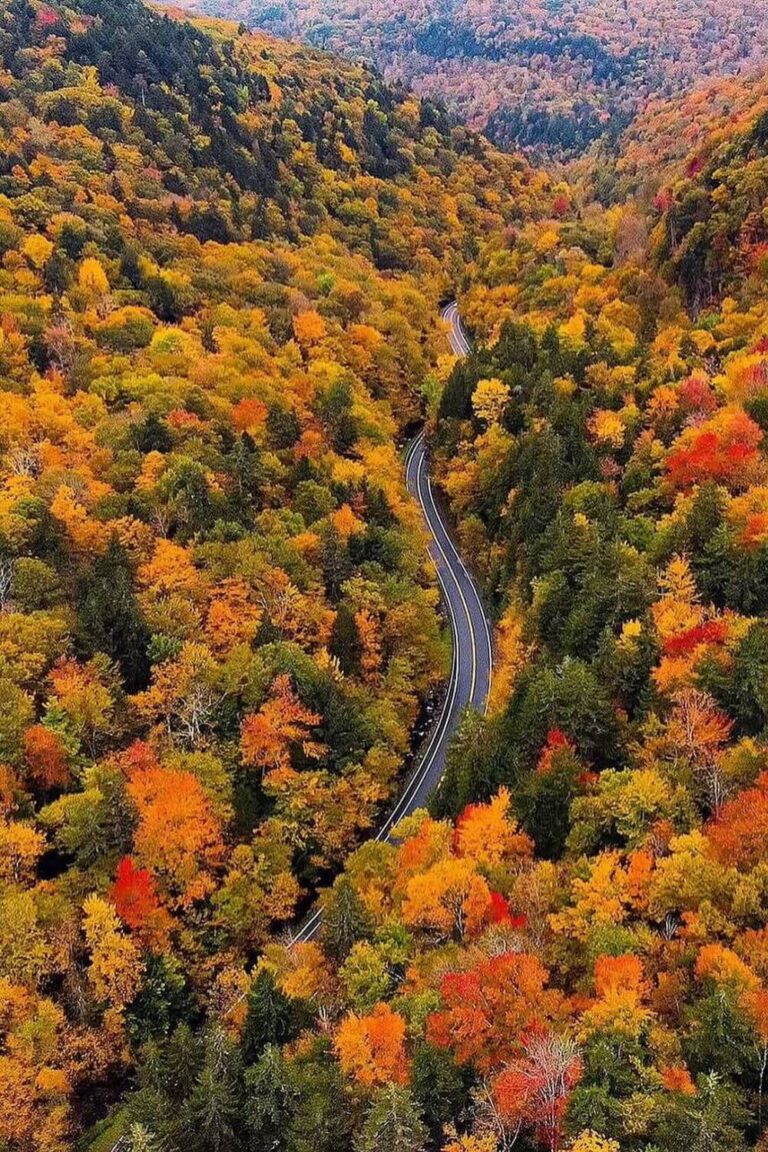
- Where to Go: Cruise the scenic stretch of Route 100 connecting Waitsfield, Waterbury, and Stowe.
- Must-Do Stop: Pull into Cold Hollow Cider Mill for a dozen warm, fresh cider donuts and hot spiced cider.
Mid-October: Southern Towns & River Valleys (Oct 9 – Oct 16)
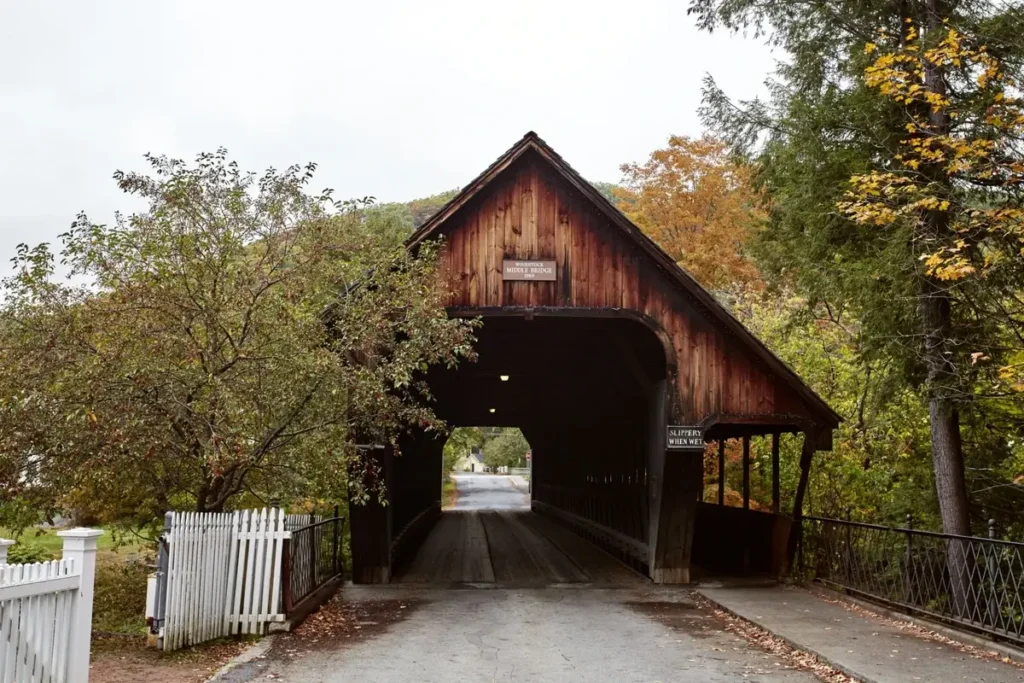
As high mountain passes begin to drop their leaves, the southern half of the state and lower valleys ignite. Picture-perfect towns like Woodstock and Manchester fill with bright golden birch and deep bronze oak canopies.
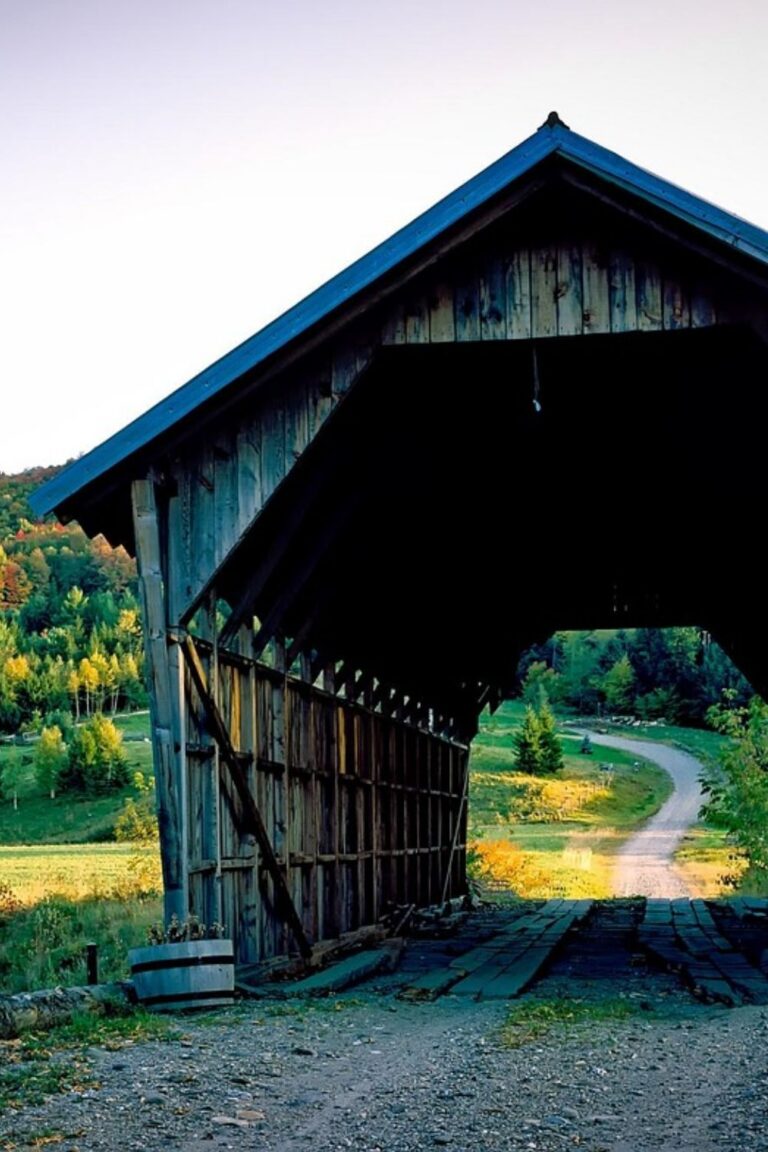
- Where to Go: Stroll through Woodstock village to see Middle Covered Bridge framed by pumpkins, or drive Route 4 past Quechee Gorge.
- Must-Do Stop: Head up Mount Equinox Skyline Drive in Manchester for panoramic multi-state views across glowing hillsides.
Late October: Lake Champlain & The Island Shores (Oct 17 – Oct 24)
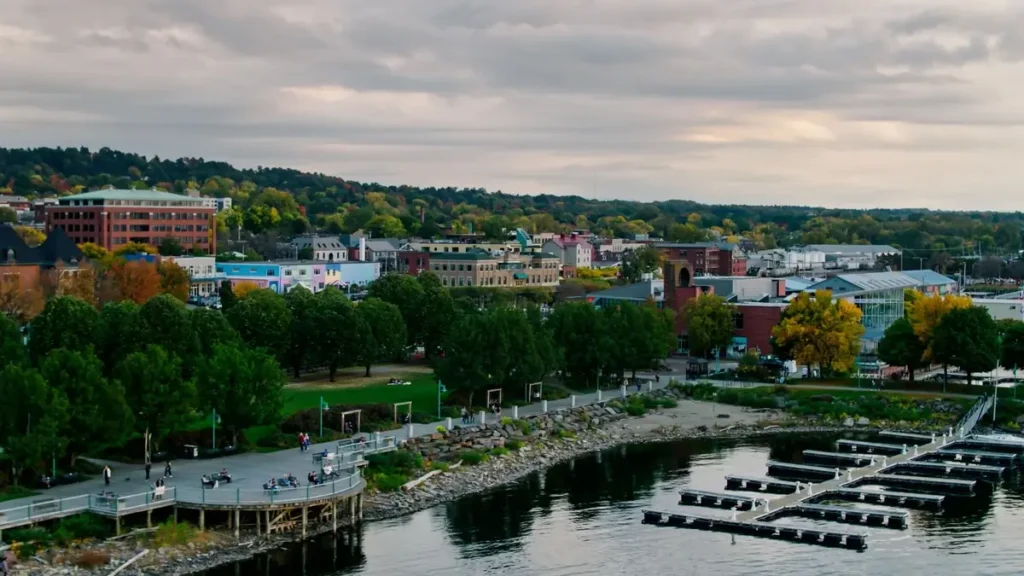
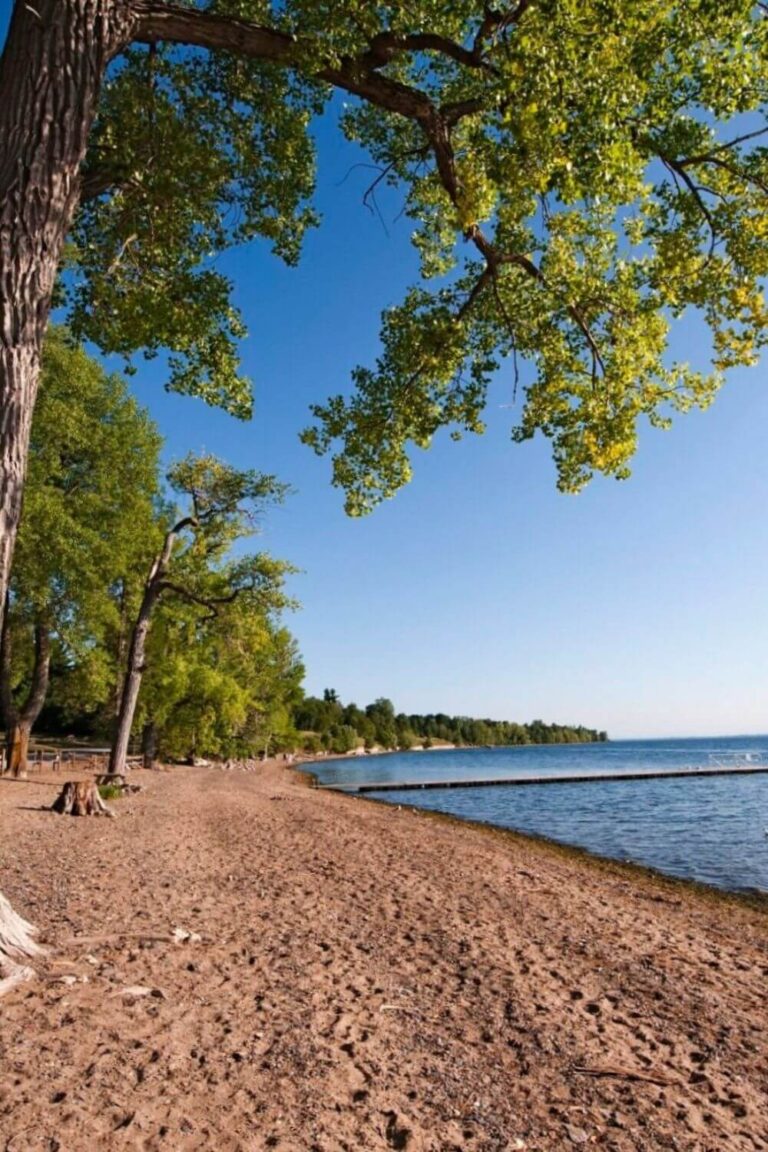
After mid-October, the mountains enter what locals affectionately call “stick season” as bare branches reveal open ridgeline silhouettes. However, the deep waters of Lake Champlain create a sheltered microclimate that keeps shoreline trees colorful well after the first heavy frost.
- Where to Go: Explore Burlington’s waterfront path or take a slow drive through the Champlain Islands along Route 2.
- Why Visit Now: Hotel rates drop significantly, restaurant tables are easy to find, and quiet lake views replace crowded mountain lookouts.
| Region / County | Target Base Towns | Historical Peak Window | Must-Visit Scenic Highlights |
|---|---|---|---|
| Northeast Kingdom | East Burke, Newport, St. Johnsbury | Sep 25 – Oct 2 | Lake Willoughby cliffs, Burke Mountain Toll Road |
| Northern Green Mountains | Stowe, Jeffersonville, Morrisville | Oct 1 – Oct 7 | Smugglers’ Notch Pass, Stowe Pinnacle Trail |
| Central Spine (Route 100) | Waitsfield, Warren, Waterbury | Oct 3 – Oct 10 | Appalachian Gap, Moss Glen Falls, Cold Hollow Cider Mill |
| Upper Valley & Woodstock | Woodstock, Quechee, Norwich | Oct 7 – Oct 14 | Middle Covered Bridge, Sleepy Hollow Farm roads |
| Southern Green Mountains | Manchester, Dorset, Bennington | Oct 10 – Oct 18 | Mount Equinox Skyline Drive, Hildene Estate |
| Champlain Valley | Burlington, Shelburne, Vergennes | Oct 12 – Oct 20 | Shelburne Farms, Lake Champlain waterfront trail |
How to Track the Leaves Live
Weather changes quickly in New England, and a sudden windstorm or early frost can shift colors in just 24 to 48 hours. Use these live resources while on the road:
Highway Cameras: Check Vermont 511 traffic cameras along Route 100 and Route 4 to confirm visibility and conditions in real time.
Official State Reports: Check the weekly foliage tracker published by state foresters on VermontVacation.com for town-by-town color progression.
Resort Webcams: Peek at mountain webcams at ski areas like Stowe, Killington, and Jay Peak to check actual tree colors along the slopes before driving up.
Smart Strategies for Dodging the Crowds
Peak foliage is Vermont’s busiest travel season, but with a few simple adjustments, you can dodge the heavy tour bus traffic:
Download Maps Ahead of Time: Cell service drops frequently when driving through mountain gaps and national forest corridors. Always save your route for offline use before leaving your inn.
Hit the Road Early: Aim to be behind the wheel by 7:30 or 8:00 AM. You will catch gorgeous morning mist rising off the rivers, and you can park easily at popular covered bridges and cider mills before the lots fill up.
Explore the Parallel Dirt Roads: If Route 100 or Route 4 feels bumper-to-bumper, pull up your map and look for county dirt roads running parallel through the hills. Vermont’s unpaved backroads often have the prettiest rustic barns, stone walls, and tree canopies.
Keep Your Schedule Flexible: Avoid locking yourself into a rigid, non-refundable itinerary. If you find that leaves are past-peak in Stowe, be ready to pivot south toward Woodstock or west toward Lake Champlain.
Final Thoughts on Visiting Vermont in Autumn
Catching peak foliage in Vermont is not about having luck with the calendar—it is about staying adaptable and following the colors across elevations and valleys.
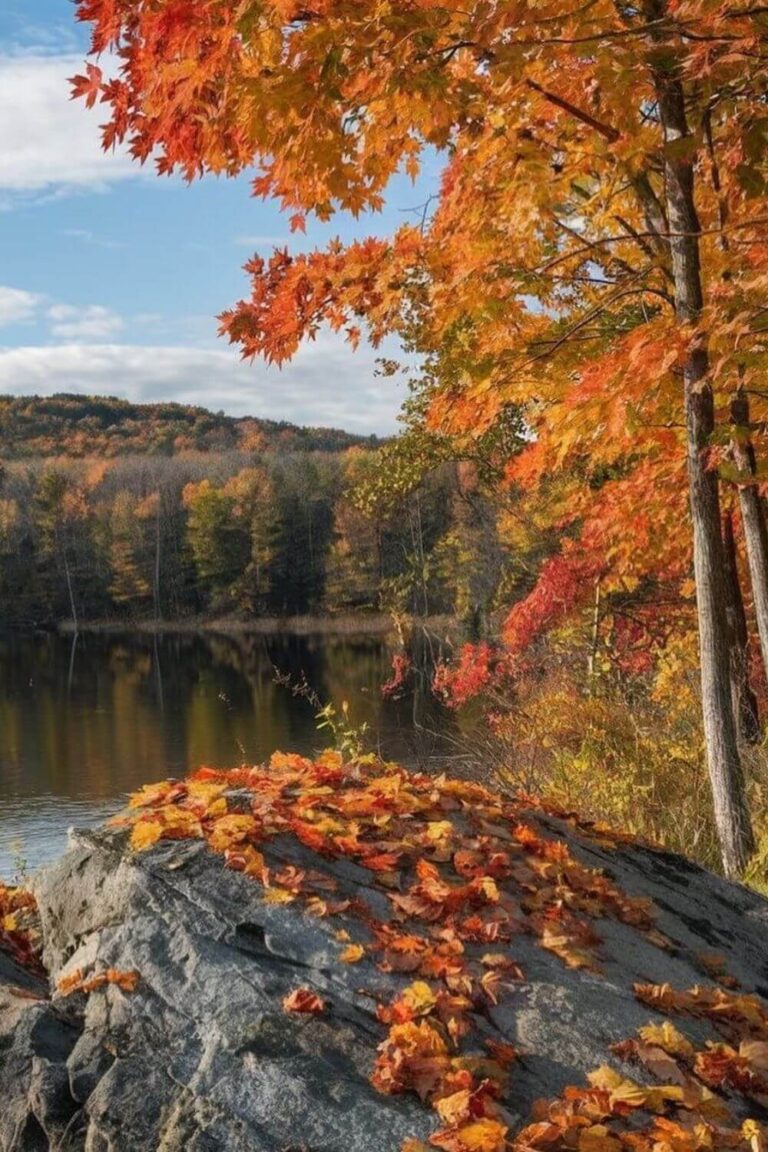
Whether you catch the early reds on high mountain ridges in late September or watch golden leaves reflect off the lake in mid-October, an autumn trip through Vermont is an unforgettable experience.
Keep your daily driving plans flexible, pack plenty of warm layers, and make time to pull over at local farm stands along the way!
FAQs
What is the single best week for fall foliage in Vermont?
Historically, the sweet spot is between October 3 and October 12. This window gives you the highest probability of catching vibrant red and orange sugar maples across central towns like Stowe, Waterbury, and Woodstock.
What happens if I arrive during “stick season”?
“Stick season” begins when late autumn winds strip the mountain trees bare, usually in late October. While high elevations lose their foliage, valley towns and lake shores stay colorful, crowds disappear, and lodging prices drop considerably.
How far ahead do I need to book a Vermont fall trip?
Reserve accommodations and rental cars 4 to 6 months in advance. Quaint country inns along scenic corridors sell out fast for late September and early October weekends.
Should I stay in Stowe or Woodstock for fall colors?
Stay in Stowe if you want soaring mountain passes, alpine gondola rides, and hiking trails. Choose Woodstock if you want classic village greens, covered bridges, and boutique shopping.