A Fall Weekend in Woodstock, Vermont: Itinerary & Scenic Drives
Woodstock looks like a classic New England oil painting brought to life.
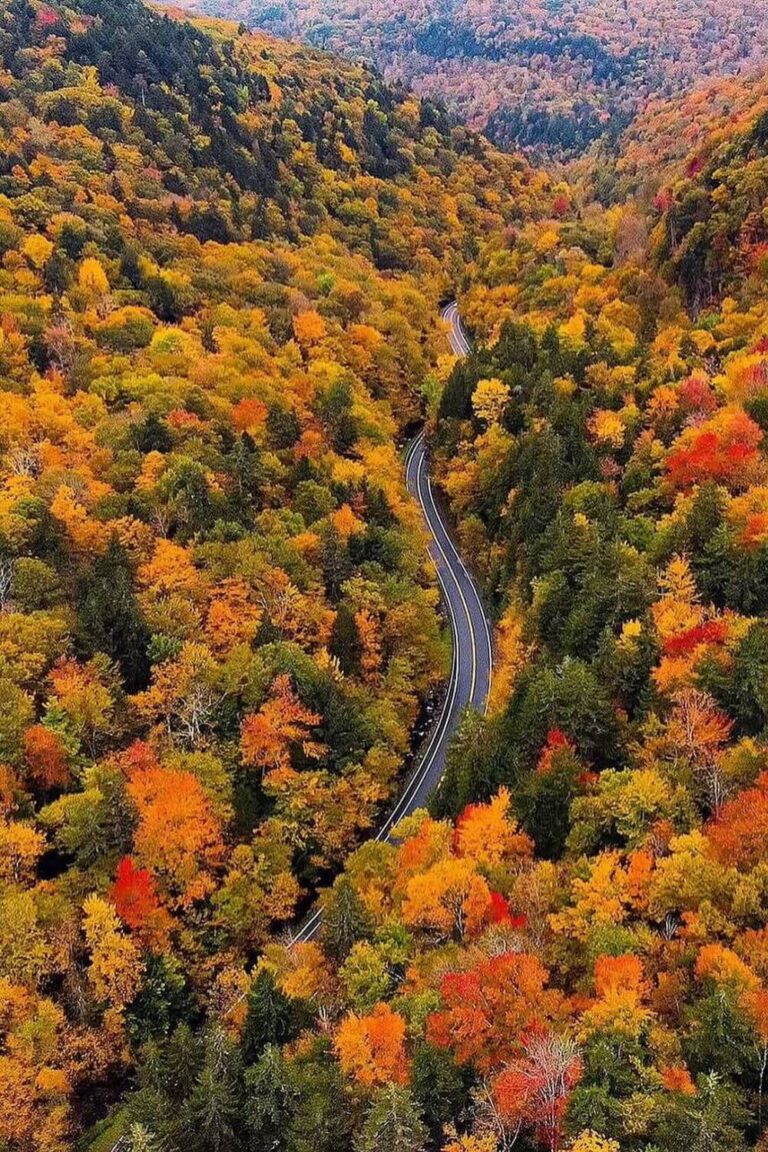
Red-brick storefronts from the 1800s line the streets, white timber church steeples rise above the trees, and the surrounding hills blaze in deep crimson, pumpkin orange, and gold.
The real charm of this valley is that nothing feels rushed. Within a single morning, you can stroll straight from the manicured village green onto quiet carriage roads, pick up warm cider doughnuts, and spend your afternoon tracing dirt backroads past working dairy barns and deep river chasms.
Here is a realistic, day-by-day 3-day itinerary to make the most of an autumn escape to Woodstock.
Quick Travel Planning Tips
- Peak Foliage Window: Leaves in the Woodstock valley typically peak between October 5 and October 15. Sitting at a lower elevation than northern mountain towns like Stowe, the color arrives roughly a week later.
- Getting Around: You can easily explore the downtown shops, village green, and national park carriage trails on foot. A car is only necessary for scenic detours out to Quechee Gorge, Taftsville, and Jenne Farm.
- Dinner Reservations: Evening dining fills up weeks in advance for fall weekends. Lock in your dinner reservations early or arrive right at 5:00 PM for open tavern or bar seating.
Weekend Overview: 3 Days in Woodstock
| Day | Focus | Highlights |
|---|---|---|
| Day 1 | Historic Village & Carriage Roads | Village Green, Middle Covered Bridge, The Pogue |
| Day 2 | Farms & River Gorge | Billings Farm, Quechee Gorge, Riverwalk |
| Day 3 | Dirt Roads & Views | Taftsville Bridge, South Woodstock, Jenne Farm |
Woodstock Weekend Route Map: Village Trails & Scenic Drives
Day 1: Historic Village & National Park Trails
Morning: The Village Green & Central Street
Start your morning strolling the Woodstock Village Green. The town buried all of its electric utility lines underground decades ago, leaving clean sightlines of Federal-style brick homes framed by glowing sugar maples.
Walk over to the west end of the green to cross the Middle Covered Bridge. It spans the Ottauquechee River with a dedicated pedestrian walkway, making it easy to pause over the water and watch fallen leaves float past the timber lattice.
From the bridge, head down Central Street:
- Step into F.H. Gillingham & Sons, a general store operating since 1886 packed with local maple syrup, artisanal cheeses, and specialty kitchen goods.
- Check out the shelves at Yankee Bookshop, the oldest independent bookstore in Vermont.
- Grab an espresso and a fresh pastry from a local bakery to fuel your walk up the trails.
Mid-Day: The Carriage Roads of Marsh-Billings-Rockefeller
Cross the river toward Elm Street to enter Marsh-Billings-Rockefeller National Historical Park, Vermont’s only national park.
Instead of steep, rocky scrambles, the paths here are wide, hard-packed gravel carriage roads designed in the 19th century. They climb gently under a dense canopy of ancient hemlocks and maples, staying firm and easy to navigate even after rain.
Follow Mountain Road as it winds up toward The Pogue, a tranquil 14-acre pond tucked into the high forest. Take the flat loop path along the shoreline to watch yellow birch leaves settle on the still, glass-like water.

Source: @facebook
Afternoon: Overlook at Mount Tom South Peak

From The Pogue, follow the trail markers out to the South Peak of Mount Tom.
The forest suddenly breaks open to a stone overlook looking directly down onto Woodstock. From the summit benches, the oval village green, church steeples, and brick facades look like a miniature model town surrounded by glowing mountainsides.
Head back down the mountain along the gentle, engineered switchbacks of the Faulkner Trail, which deposits you right into the edge of the village for an easy walk to dinner.

Day 2: Rural Heritage, Working Farms & Quechee Gorge
Morning: Billings Farm & Museum
Cows grazing in the Great Meadow against a colorful sunset in Billingsfarm | Source: @billingsfarm
Begin across the river from town at Billings Farm & Museum. Founded in 1871, this historic estate continues to operate as a working Jersey dairy farm and agricultural museum.
- Walk the pastures to see the famous herd of Jersey cows grazing against the backdrop of fall hillsides.
- Tour the restored 1890 farmhouse living quarters to get a look at traditional 19th-century farm life.
- Stop at the dairy bar to sample freshly made farm cheddar and sweet cider before hitting the highway.
Mid-Day: Valley Farm Stands & River Picnics
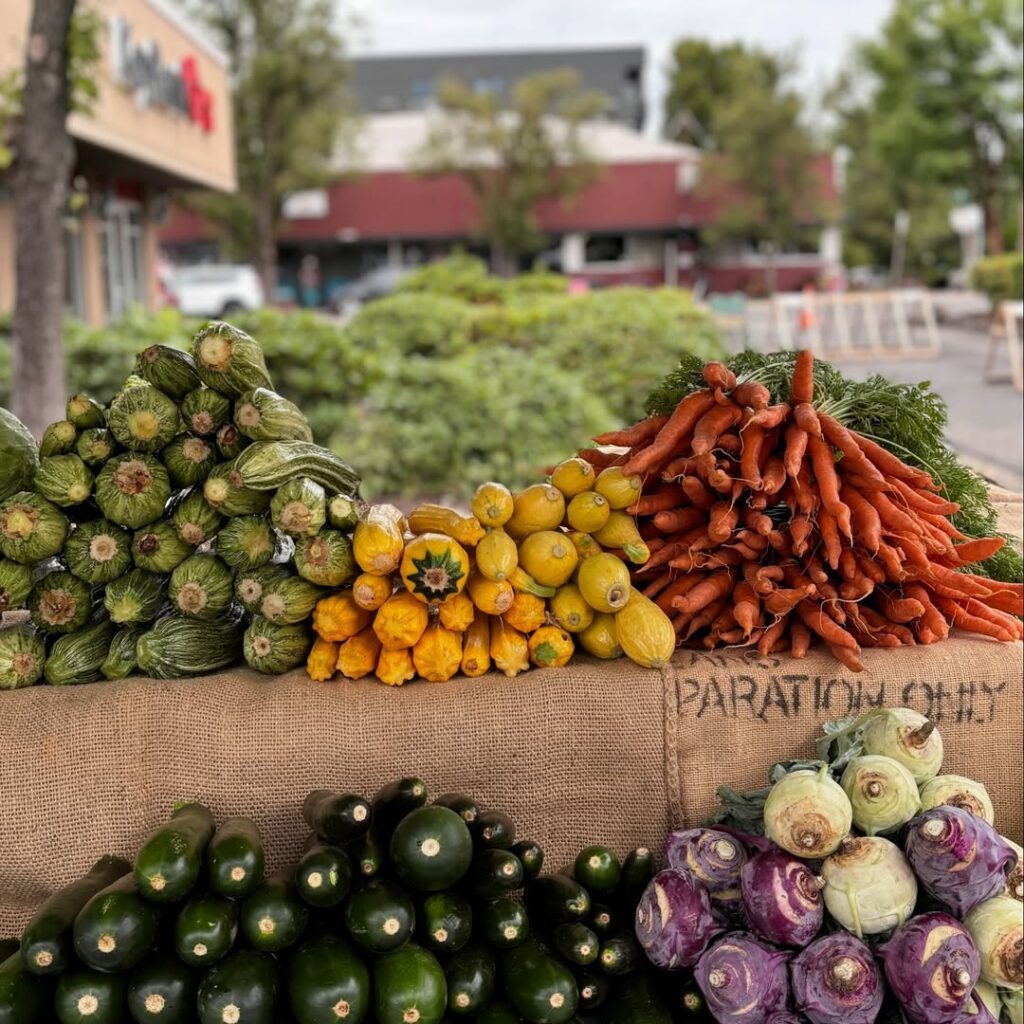
Take Route 4 east out of Woodstock, following the winding curves of the Ottauquechee River past timber barns and apple orchards.
Pull into a roadside farm market to grab provisions: fresh-pressed cider, local sharp cheddar, and deli sandwiches made on fresh sourdough. Many country stores along this corridor maintain quiet picnic tables right along the riverbank for a casual lunch.
Afternoon: Quechee Gorge & The Canyon Trail
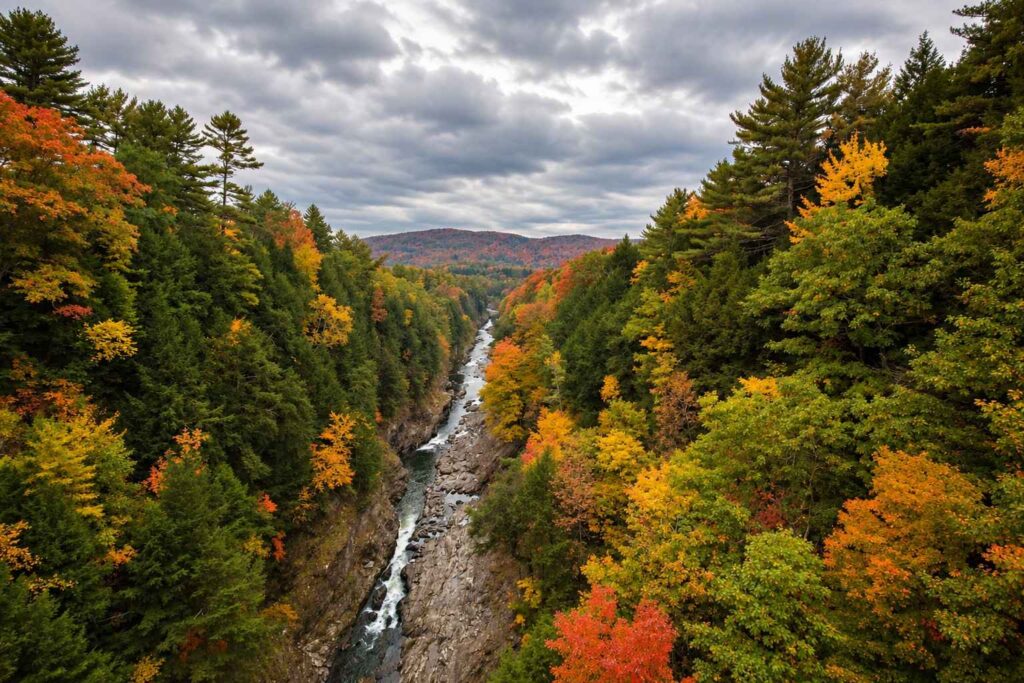
Continue east to Quechee Gorge, known as Vermont’s “Little Grand Canyon”. Glacial meltwaters carved this deep, 165-foot bedrock chasm through the valley floor thousands of years ago.
Walk the protected pedestrian sidewalk across the Route 4 bridge to look straight down into the rocky riverbed below.
After checking out the view from above, take the wide dirt trail that leads down along the canyon rim. It is a gentle 1.5-mile round-trip walk through the hemlocks. At the river’s edge, broad, flat bedrock slabs provide a great vantage point to sit by the rapids and look up at the cliffs framed by foliage.
Day 3: Backroads, Timber Bridges & Heritage Overlooks
Morning: Taftsville Covered Bridge & River Road
Drive three miles east on Route 4 to Taftsville, turning toward the river to find the historic Taftsville Covered Bridge.
Built in 1836, this bright red bridge is one of the oldest surviving covered structures in Vermont, featuring an unusual Queenpost-and-arch timber frame. Pull into the gravel shoulder to walk down to the water’s edge, where the rushing river cascades directly beneath the timber span.
From the bridge, take River Road west along the northern riverbank back toward Woodstock. This quiet country bypass follows the water past private horse farms, open hayfields, and weathered wooden barns.
Mid-Day: The Country Lanes of South Woodstock
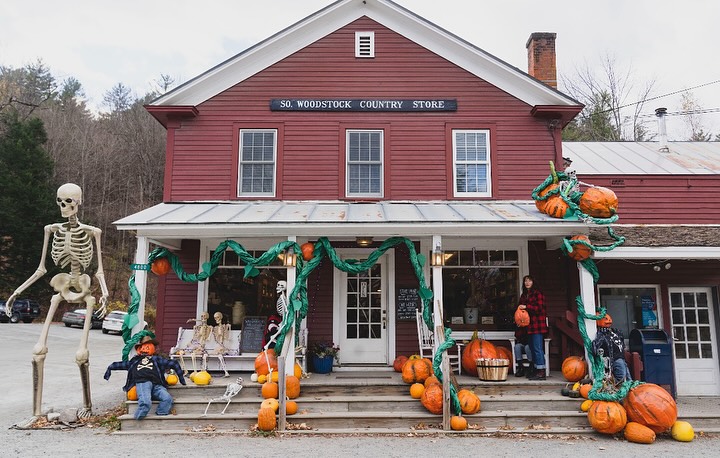
From the village green, head south along Route 106 into South Woodstock. The terrain opens up into rolling pastures, stone walls, and heritage equestrian estates.
Stop for lunch at the historic South Woodstock Country Store. Grab a cup of homemade soup or a warm sandwich and sit outside on the porch benches while watching horses and riders pass down the quiet road.
After lunch, take a relaxed drive along the unpaved backroads. Dirt lanes like Church Hill Road wind up through thick stands of sugar maples and yellow birches, giving you peaceful vistas across the southern hills.
Afternoon: The Iconic Jenne Farm Overlook
Keep heading south on Route 106 into the hills of Reading to visit Jenne Farm.
Recognized as one of the most photographed farmscapes in North America, this classic homestead sits tucked into a rolling valley basin.
Pull off into the designated dirt turnout at the crest of the hill. Looking down, you will see weathered red outbuildings, a traditional farmhouse, and dirt tracks lined with vibrant orange maples. The low afternoon light casts long shadows across the pastures, making it a fitting final stop for your weekend.
Plan Your Visit: Where to Stay & Parking Tips
Woodstock is easy to navigate, but autumn brings steady crowds to the small valley. These simple tips will help you plan your days without unnecessary stress.
Where to Stay in Town
Staying near the center lets you walk to dinner and trailheads without hunting for parking spots later in the day.
| Place Type | Area | Best For |
|---|---|---|
| Historic Village Inns | Downtown & The Green | Walking to shops, dining, and carriage paths without moving your car. |
| Bed & Breakfasts | Pleasant Street & Elm Street | Quiet residential settings, homemade breakfasts, and historic porches. |
| Country Lodges | South Woodstock & Quechee | Open pasture views, river walks, and quiet evenings. |
Practical Travel Tips
- Parking Around the Green: Metered spaces circle the town green and line Central Street. When these fill during peak foliage hours, head to the public lot near Billings Farm and use the covered footbridge to walk into town.
- Book Dinners Weeks Ahead: Woodstock features great local dining, but table inventory is small. Dinner reservations for autumn weekends often book up weeks in advance.
- Backroad Etiquette: Roads around South Woodstock and Jenne Farm are active farm routes and private lands. Keep all four wheels completely on the gravel shoulder when stopping, stay on public right-of-ways, and never block farm gates or driveways.
Conclusion
A fall weekend in Woodstock is about matching your schedule to the natural pace of the valley.
Between quiet morning carriage walks around The Pogue, browsing historic general store aisles, and watching late-afternoon sun hit the red barns of Jenne Farm, the area delivers an authentic taste of Vermont without requiring endless highway miles.
Keep a warm fleece in your back seat for brisk mornings, give yourself time to explore unmarked dirt roads, and enjoy the scenery.
Frequently Asked Questions
When is peak fall foliage in Woodstock?
Peak color in the Woodstock valley typically arrives between October 5 and October 15. The valley floor sits at a lower elevation than high northern notches like Stowe or Smugglers’ Notch, meaning the trees turn about a week later.
Do I need a car to visit Woodstock?
You do not need a vehicle to explore the village shops, walk across Middle Covered Bridge, or hike the carriage roads at Marsh-Billings-Rockefeller National Historical Park. You will, however, need a vehicle to reach Quechee Gorge, Taftsville Covered Bridge, and Jenne Farm.
Are dogs allowed on these trails?
Yes. Leashed dogs are permitted on the gravel carriage paths throughout Marsh-Billings-Rockefeller National Historical Park and on the trails surrounding Quechee Gorge.