The Perfect 3-Day Sedona Itinerary: Hikes, Red Rocks & Scenic Stops
Sedona is one of those places that looks almost unreal when you first arrive. Red-rock formations surround the town, hiking trails seem to disappear into the desert in every direction, and even an ordinary drive can come with a ridiculously good view.
Three days is a great amount of time for a first visit. It gives you enough time to hike some of Sedona’s famous trails, see the major landmarks, explore town, and catch a few sunsets without turning your vacation into a race.
This 3-day Sedona itinerary balances the big-name sights with slower moments and scenic stops along the way.
3 Days in Sedona Itinerary Overview
Day 1: Iconic Red Rocks & Sunset Views (Easy)
- Bell Rock: Classic red-rock scenery to kick off the trip
- Courthouse Butte: Easy trail views right next door
- Chapel of the Holy Cross: Architecture carved directly into the bluffs
- Tlaquepaque: Arts shopping village, shady courtyards, and a relaxed afternoon
- Airport Mesa: Panoramic overlook for sunset
Day 2: Devil’s Bridge & Cathedral Rock (Most Active)
- Devil’s Bridge: Early morning hike to the famous natural sandstone arch
- Lunch & Recharge: Midday break to rest your legs and hydrate
- Scenic Exploring: Low-key viewpoints, local coffee, or an easy drive
- Cathedral Rock: Iconic golden-hour trail to wrap up the day
Day 3: Soldier Pass & Slow Sedona (Flexible)
- Soldier Pass: Morning hike past caves and sinkholes
- Seven Sacred Pools: Naturally carved sandstone basins along the trail
- Uptown Sedona: Lunch, souvenir shops, and an easy stroll
- Scenic Drive: Take in the rock formations along Highway 179 or Red Rock Loop
- Final Sunset: Head back to your favorite viewpoint from the weekend
Tip: Start key trailheads before 7:30 AM to secure parking, beat midday heat, and avoid peak crowds.
Before You Go: A Few Things to Know About Sedona
Sedona isn’t a huge city, but planning your days properly can save you a surprising amount of time.
How Many Days Do You Need in Sedona?
For a first trip, three days in Sedona is a sweet spot.
You could see a few highlights in one or two days, but you’d probably leave wishing you had stayed longer. With three days, you can fit in several hikes and major attractions while still leaving room for meals, scenic drives, shopping, and spontaneous stops.
If hiking is the main reason for your trip, four or five days would be even better.
Do You Need a Car in Sedona?
Having a car makes this itinerary much easier.
Sedona’s attractions and trailheads are spread out, and you’ll probably want the freedom to stop at viewpoints along the way.
That said, don’t assume you can simply drive to every popular trailhead.
Sedona operates a shuttle system serving several busy trailheads, and parking restrictions can change depending on the location and day. Check the current shuttle schedule and trailhead information before heading out each morning.
Start Your Days Early
This is probably the single most useful piece of advice for a Sedona trip.
Popular trails can become busy quickly, especially on weekends and during spring and fall.
An early start means cooler temperatures, quieter trails, easier logistics, and softer morning light on the red rocks.
It also leaves your afternoons more relaxed.
What to Pack for 3 Days in Sedona
You don’t need complicated hiking equipment for this itinerary, but a few basics make the trip much more comfortable.
Bring comfortable hiking shoes with good grip, a reusable water bottle or hydration pack, sunscreen, sunglasses, a hat, and a small daypack.
Layers are also important. Desert temperatures can change dramatically between early morning, midday, and evening.
And carry more water than you think you’ll need. Sedona’s dry air can make dehydration sneak up on you.
Day 1: Bell Rock, Chapel of the Holy Cross & Airport Mesa
Your first day is about getting acquainted with Sedona.
Instead of immediately tackling one of the area’s harder hikes, you’ll start with accessible red-rock scenery, visit one of Sedona’s most recognizable landmarks, and finish with a classic sunset.
Morning: Bell Rock and Courthouse Butte
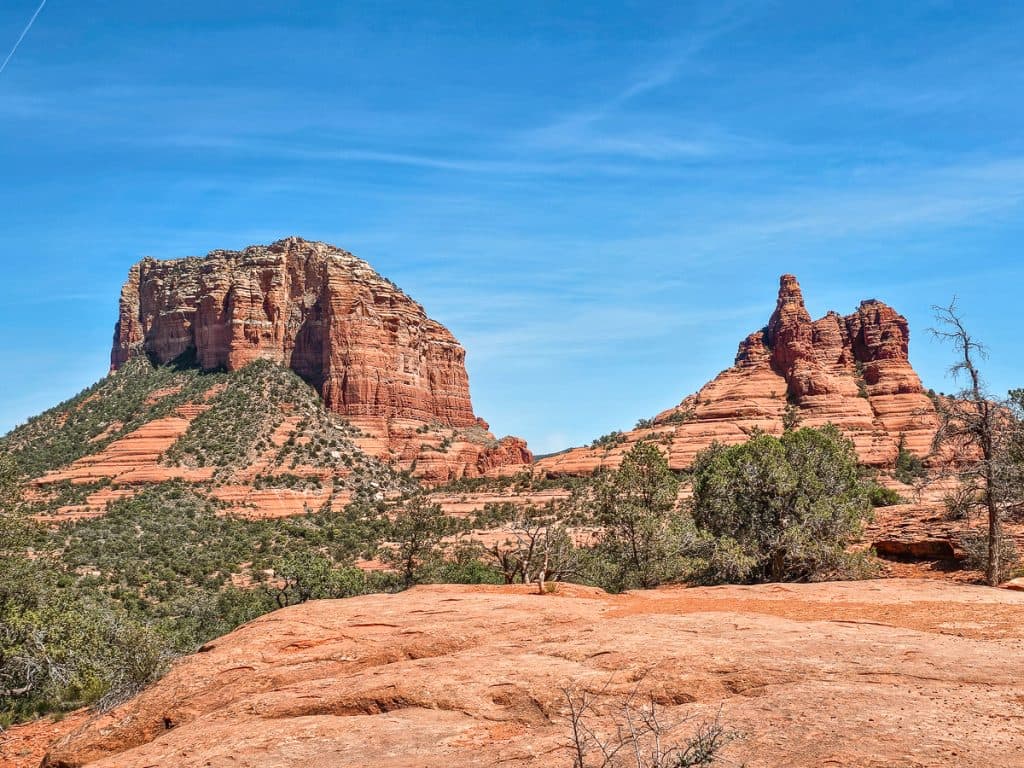
Start your trip around Bell Rock, one of the most recognizable formations near Sedona.
You don’t have to climb high onto Bell Rock to appreciate it. There are trails around the formation that let you choose how long and challenging you want your morning to be.
Nearby Courthouse Butte makes the landscape even more dramatic.
If you’re arriving from the Village of Oak Creek direction, this area also gives you that classic first impression of Sedona: huge red formations appearing ahead of you against an enormous Arizona sky.
Take your time here.
Day one doesn’t need to begin with a checklist.
Optional: Make It a Longer Hike
If you’re feeling energetic, explore more of the trail system around Bell Rock and Courthouse Butte.
If you’re saving your legs for Devil’s Bridge tomorrow, stick to a shorter walk and enjoy the scenery.
Late Morning: Chapel of the Holy Cross
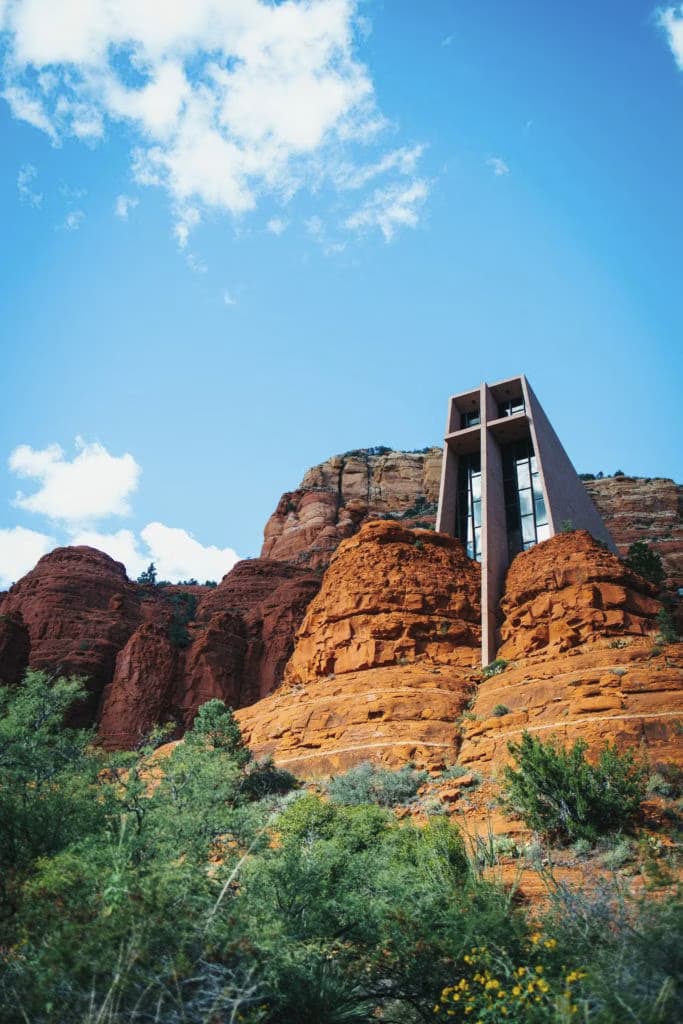
Next, head toward the Chapel of the Holy Cross.
Built into the red rocks, the chapel is one of Sedona’s most distinctive landmarks.
Even if churches aren’t normally part of your travel itinerary, this one is worth seeing for the setting alone.
The views across the surrounding landscape are beautiful, and the architecture looks almost as though it belongs inside the rock itself.
It can get busy, so earlier is generally better.
Lunch and Afternoon: Slow Down
After a morning outside, give yourself some downtime.
Head into town for lunch rather than immediately rushing toward another hike.
One of the easiest mistakes to make in Sedona is packing every hour with activities. The landscape is the main attraction here, and sometimes sitting outside with lunch and looking at the red rocks is part of the experience.
Explore Tlaquepaque Arts & Shopping Village

Spend part of the afternoon wandering through Tlaquepaque Arts & Shopping Village.
With courtyards, archways, galleries, shops, fountains, and plenty of little corners to explore, it feels completely different from the hiking trails you’ve spent the morning on.
It’s also a good place to slow the pace before heading back outside for sunset.
You don’t need hours here. An easy wander is enough.
Sunset: Airport Mesa
Finish your first day around Airport Mesa.
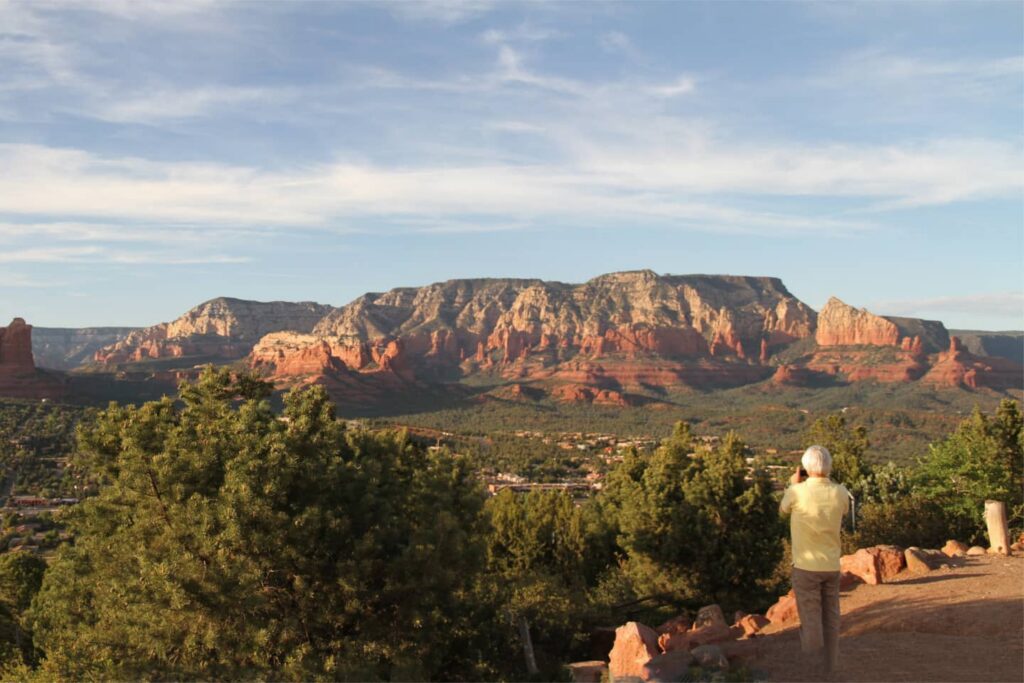
This is one of Sedona’s best-known sunset areas because you can look across a huge section of the surrounding red-rock landscape.
Try to arrive well before sunset.
Not only does this give you time to get situated, but the landscape begins changing long before the sun actually disappears. Reds and oranges become warmer, shadows stretch across the formations, and the whole valley starts to look different.
Stay for a little while after sunset if conditions are good.
The sky sometimes saves its best colors for last.
Day 2: Devil’s Bridge & Cathedral Rock
Day two contains some of the scenery people picture when they imagine a trip to Sedona.
It’s also likely to be your most active day.
Have breakfast early, fill your water bottles, and get moving.
Morning: Hike to Devil’s Bridge
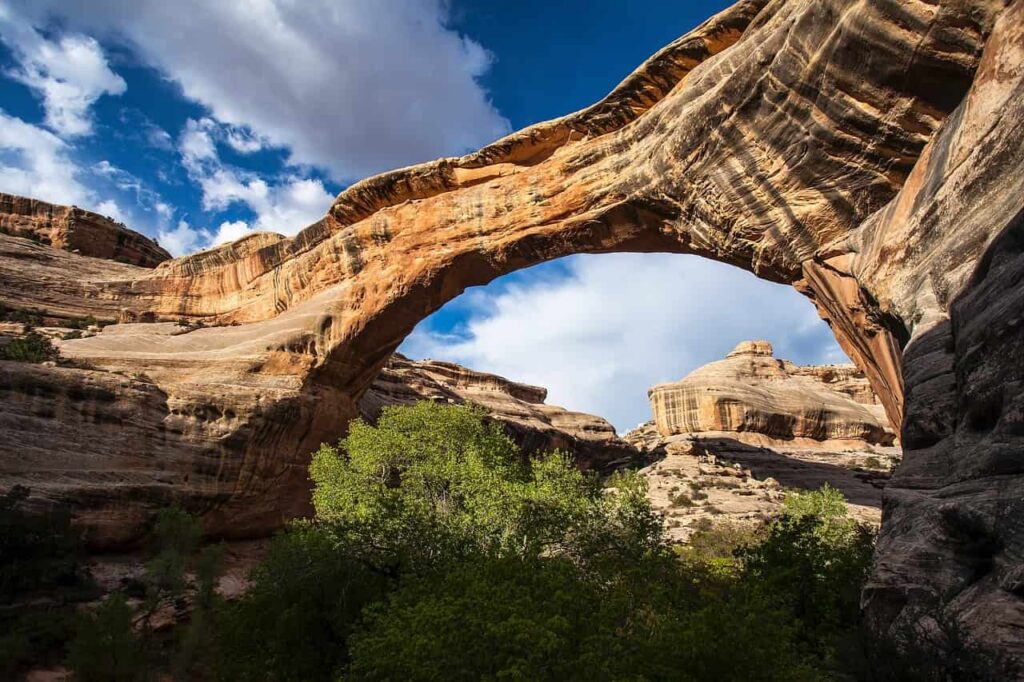
Start with Devil’s Bridge, one of Sedona’s most famous natural landmarks.
The sandstone arch has become incredibly popular, and for good reason. Once you reach it, the views stretch across layers of red-rock country.
The hike can vary in distance depending on your access point and current transportation arrangements, so check the latest trailhead and shuttle information before leaving.
The final approach includes steeper rocky sections.
Take your time and don’t feel pressured to move faster because other hikers are around.
Do You Have to Walk onto Devil’s Bridge?
No.
You’ll see plenty of photos of people standing on the arch, but you don’t need that photo to make the hike worthwhile.
Enjoy the view in whatever way feels comfortable.
And if there is a line for photos, remember that you don’t have to spend half your morning waiting for exactly the same shot everyone else has.
Midday: Lunch and a Proper Break
After Devil’s Bridge, take a real break.
Grab lunch, drink plenty of water, and spend some time off your feet.
Sedona’s dry climate and elevation can make a hike feel more tiring than its mileage suggests.
This downtime also gives you flexibility if your morning takes longer than expected.
Afternoon: Leave Some Space in the Itinerary
Rather than scheduling another major hike immediately, keep your afternoon flexible.
You could browse shops in town, stop at scenic viewpoints, grab coffee, return to your accommodation for a couple of hours, or simply drive around and see where the landscape takes you.
This buffer is intentional.
Travel itineraries often look great when every hour is filled. They’re less fun when you’re actually trying to follow them.
Evening: Cathedral Rock
Head toward the Cathedral Rock area later in the day.
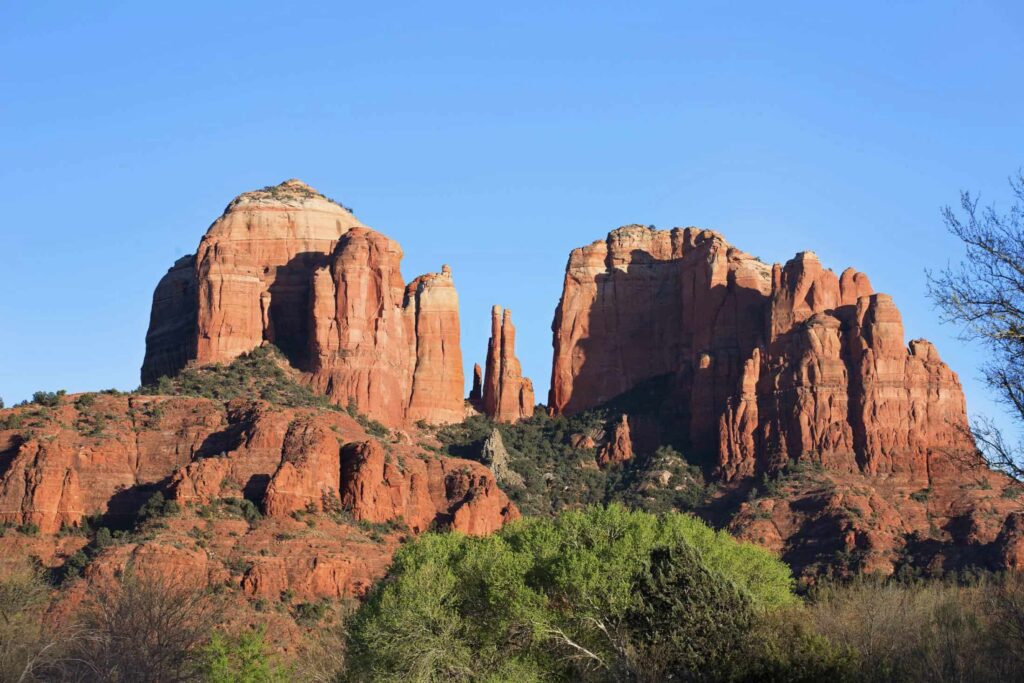
Cathedral Rock is another of Sedona’s signature formations and one of its most photographed landscapes.
The full hike is short in mileage but can be physically demanding because of steep rock scrambling. It isn’t something everyone will enjoy, particularly if you’re uncomfortable with steep terrain.
You don’t have to climb the entire trail to appreciate Cathedral Rock.
There are surrounding areas and viewpoints where you can enjoy the formation without tackling the steepest sections.
If you do hike, check current conditions and make sure you’ll have enough daylight for your return.
Day 3: Soldier Pass, Seven Sacred Pools & Scenic Sedona
Your final day combines another beautiful hiking area with time in town and a relaxed finish.
By now, you should also have a better feel for Sedona.
That’s why day three has more flexibility built into it.
Morning: Soldier Pass Area
Start around Soldier Pass.
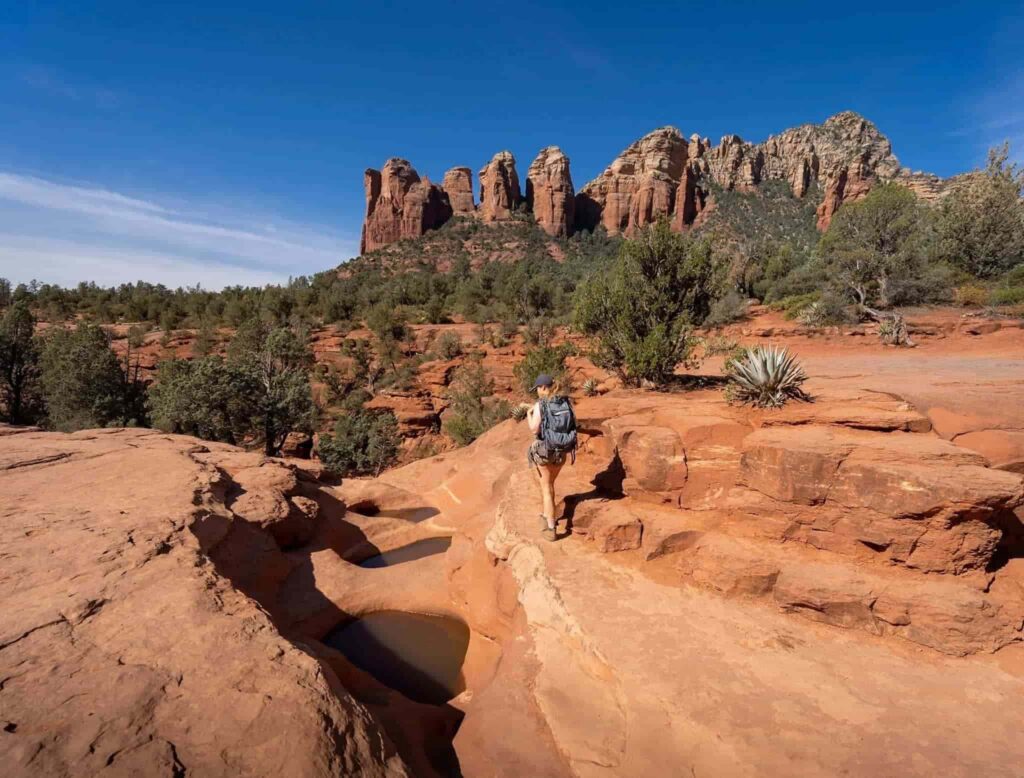
This part of Sedona packs several interesting natural features into one area and feels different from the huge open views around Bell Rock.
One of the highlights is Seven Sacred Pools, a series of natural sandstone pools surrounded by red-rock scenery.
Their appearance depends heavily on recent weather and water levels, so don’t expect them to look identical to photographs you’ve seen online.
That’s part of traveling in the desert.
Seven Sacred Pools
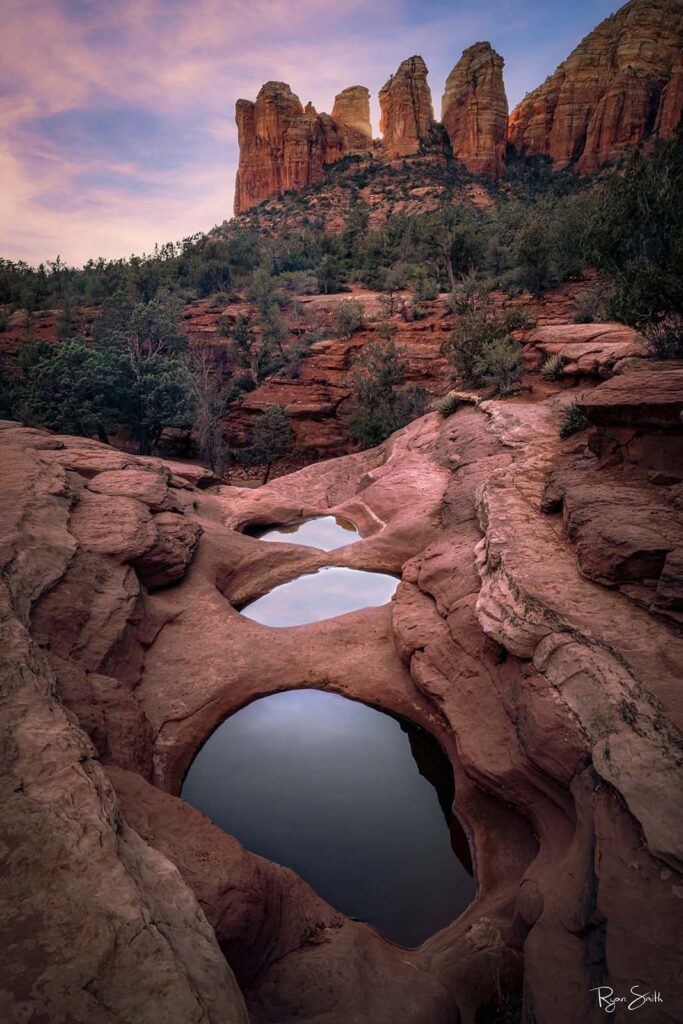
Seven Sacred Pools is an especially photogenic stop, with the pools creating a natural line through the rock and larger formations rising behind them.
Go early if possible.
The combination of softer light and fewer people makes the experience much nicer.
Access and parking arrangements around Soldier Pass can be restricted, so verify current transportation information before your trip.
Late Morning: Choose Your Own Adventure
If you still have plenty of energy, continue exploring the trail network.
If your legs are reminding you that you’ve spent three days hiking on rock, head back toward town.
There is absolutely no prize for squeezing one more trail into your vacation.
Lunch and Early Afternoon: Uptown Sedona
Spend part of your final afternoon exploring Uptown Sedona.
This is the touristy side of town, with restaurants, galleries, souvenir shops, and places to pick up something to remember the trip.
It can be busy, but after several mornings on the trails, wandering around town makes for an easy change of pace.
Grab lunch and give yourself time to explore without an agenda.
Take a Scenic Drive
For the later afternoon, get back in the car.
One of the nicest things about Sedona is that you don’t always need to hike to see spectacular scenery.
A drive through the surrounding red-rock landscape gives tired legs a break while still delivering plenty of views.
Depending on your plans and road conditions, you can explore scenic stretches around Oak Creek Canyon or simply follow one of the main routes through red-rock country and stop at established viewpoints.
Don’t underestimate these unplanned stops.
Some of my favorite moments on road trips happen between the places that were actually on the itinerary.
One Last Sedona Sunset
For your final evening, return to whichever landscape caught your attention most during the trip.
Maybe that’s Airport Mesa.
Maybe it’s the Cathedral Rock area.
Or maybe you’ve discovered a quieter viewpoint you’d rather revisit.
There’s something nice about not prescribing the final sunset too strictly.
Grab some food afterward and enjoy your last evening without trying to squeeze in another attraction.
You’ve done plenty.
Alternative Sedona Itinerary for Non-Hikers
You can absolutely enjoy Sedona without doing major hikes.
If hiking isn’t your thing, replace the longer trails with scenic drives, viewpoints, galleries, shopping, wellness experiences, and shorter walks.
A relaxed three-day trip could look something like this:
Day 1: Bell Rock viewpoints → Chapel of the Holy Cross → Tlaquepaque → Airport Mesa
Day 2: Scenic drive → Uptown Sedona → galleries and shops → Cathedral Rock viewpoints
Day 3: Oak Creek Canyon → leisurely lunch → spa or wellness experience → sunset
Sedona’s scenery isn’t hidden at the end of difficult trails. You’ll see incredible landscapes throughout the area.
If You Only Have 2 Days in Sedona
You can easily shorten this itinerary.
For two days in Sedona, I’d combine the biggest highlights.
Day 1
Bell Rock → Chapel of the Holy Cross → Tlaquepaque → Airport Mesa sunset
Day 2
Devil’s Bridge → relaxed afternoon → Cathedral Rock area → sunset
Save Soldier Pass and Uptown Sedona for another trip.
Where to Stay in Sedona
Location matters more than people sometimes realize.
Sedona traffic can become slow during busy periods, so staying reasonably close to the areas you plan to explore can save time.
Uptown Sedona
Best if you want restaurants, shops, and a lively atmosphere within easy reach.
It’s convenient for first-time visitors, although it can feel busy.
West Sedona
A practical choice if hiking is high on your list.
You’ll find plenty of restaurants and accommodations while being conveniently positioned for several trail areas.
Village of Oak Creek
Located south of central Sedona, this area works particularly well for Bell Rock and nearby trails.
It generally feels a little removed from the busiest parts of town.
Best Time to Visit Sedona
Spring and fall are especially popular because temperatures are generally more comfortable for hiking.
The tradeoff is crowds.
If you visit during these periods, early mornings become even more important.
Summer can be extremely hot, which changes how you should approach hiking. Plan outdoor activities carefully around temperatures and avoid treating midday desert heat casually.
Winter can bring colder weather and occasional snow, but seeing white snow against Sedona’s red rocks can be spectacular.
Whatever season you choose, check the forecast shortly before your trip rather than relying only on typical monthly temperatures.
Tips for Making This Sedona Itinerary Better
A few simple decisions can make a big difference:
- Start popular hikes early. You’ll usually get cooler temperatures and a calmer experience.
- Don’t underestimate the desert. Carry water, use sun protection, and pay attention to weather conditions.
- Check trail access before leaving. Shuttle schedules, parking rules, closures, and conditions can change.
- Download offline maps. Don’t assume you’ll always have reliable service.
- Wear shoes with decent grip. Sedona’s rocky terrain can be slick in places.
- Leave room for spontaneous stops. Not every memorable view needs to be scheduled.
- Don’t build your trip around Instagram photos. The landscape is much better when you’re actually looking at it.
Most importantly, don’t judge your Sedona trip by the number of places you manage to check off.
Three memorable hikes and sunsets beat ten rushed attractions.
FAQs
Is 3 days enough for Sedona?
Yes. Three days is enough for a first Sedona trip and gives you time for several major hikes, scenic viewpoints, town exploration, and sunsets. If you’re an enthusiastic hiker, consider adding another day or two.
What should I not miss in Sedona?
For a first visit, Bell Rock, Cathedral Rock, the Chapel of the Holy Cross, Airport Mesa, and at least one memorable hike are great starting points. Devil’s Bridge is also extremely popular.
Is Sedona expensive?
Sedona can be relatively expensive, particularly when it comes to accommodation during popular travel periods. Booking early and staying outside the busiest central areas can sometimes help reduce costs.
Do I need a car for 3 days in Sedona?
A car is extremely useful because Sedona’s attractions are spread out. However, some popular trailheads may require or be better accessed using Sedona’s shuttle system at certain times, so check current transportation information before your visit.
Is Sedona good if I don’t hike?
Absolutely. Scenic drives, viewpoints, restaurants, galleries, shopping, wellness experiences, and short walks make Sedona enjoyable even if you never tackle a major hiking trail.
What is the best month to visit Sedona?
There isn’t one perfect month for everyone. Spring and fall are popular because of their generally pleasant hiking weather, while winter can offer fewer crowds and dramatically different scenery. Summer requires much more caution around heat.
What should I wear in Sedona?
Comfortable, breathable clothing and sturdy walking or hiking shoes work well for most activities. Bring layers because temperatures can change significantly between morning and evening, especially outside summer.
Can you visit the Grand Canyon from Sedona?
Yes. Many travelers combine Sedona with the Grand Canyon because they work well as part of the same Arizona trip. If you have enough time, consider giving the Grand Canyon its own day rather than trying to squeeze it into this three-day Sedona itinerary.
Is Sedona worth visiting for a weekend?
Definitely. A weekend won’t cover everything, but two or three days gives you enough time to experience Sedona’s red-rock landscapes, hiking trails, scenic drives, restaurants, and sunsets without needing a long vacation.
Final Thoughts
Three days in Sedona goes surprisingly fast.
You could spend the entire trip chasing trails and viewpoints, but Sedona is better when you leave a little breathing room between them. Get up early for the places that matter most, take your time when you find a view you love, and don’t worry if something gets dropped from the itinerary.
Start with Bell Rock, watch the landscape glow around sunset, hike among the red rocks, and give yourself enough unscheduled time to discover something you didn’t find while planning.
Because in Sedona, the stop you didn’t plan may end up being the one you remember most.